James Davison Hunter
James Davison Hunter is a sociologist known for his work on culture, religion, and politics. He is a professor at the University of Virginia and has written extensively on the role of religion in public life.
Books
This list of books are ONLY the books that have been ranked on the lists that are aggregated on this site. This is not a comprehensive list of all books by this author.
-
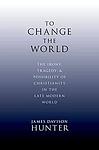
1. To Change The World
The Irony, Tragedy, and Possibility of Christianity in the Late Modern World
This thought-provoking work delves into the complexities of cultural change, challenging the conventional wisdom that societal transformation is primarily driven by grassroots movements or individual efforts. Instead, it argues that true change is orchestrated by networks of elites who hold power within key institutions. Through a nuanced exploration of history, sociology, and theology, the book critiques the common strategies employed by various groups aiming to influence culture, suggesting that meaningful change requires a deeper understanding of the intricate dynamics between power, culture, and faith.
The 12287th Greatest Book of All TimePurchase from Bookshop.org or Amazon -
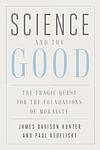
2. Science And The Good
The Tragic Quest for the Foundations of Morality
The book explores the intersection of science and morality, questioning whether scientific advancements can provide a foundation for ethical values. It critically examines the historical and contemporary efforts to derive moral principles from scientific understanding, highlighting the limitations and challenges of such endeavors. The authors argue that while science can inform our understanding of human behavior and the natural world, it cannot fully address the complexities of moral and ethical decision-making. They emphasize the need for a broader, interdisciplinary approach that incorporates philosophical and cultural perspectives to navigate the moral landscape.
-
3. The Servant

A struggling executive attends a retreat where a mentor teaches that true leadership is not about rank or command but about serving others; through a parable and practical lessons he learns that authority comes from influence built on humility, listening, respect, and love as a deliberate choice. The book distills servant-leadership into clear principles and exercises—such as patience, encouragement, acceptance, and accountability—designed to transform relationships, improve teamwork, and create lasting organizational change.