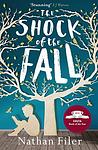
Nathan Filer
Nathan Filer is a British author known for his debut novel 'The Shock of the Fall', which won the Costa Book of the Year award in 2013. He is also a mental health nurse and has worked in mental health research.
Books
This list of books are ONLY the books that have been ranked on the lists that are aggregated on this site. This is not a comprehensive list of all books by this author.
-
1. The Shock Of The Fall
The novel follows the life of Matthew Homes, a young man grappling with the guilt and grief of losing his brother Simon in a tragic accident during their childhood. As Matthew navigates the complexities of living with schizophrenia, he reflects on his past and the impact of his brother's death on his family. Through a series of fragmented narratives and personal reflections, the story explores themes of mental illness, loss, and the enduring bonds of family, ultimately offering a poignant and compassionate portrayal of a young man's struggle to find meaning and connection in the face of overwhelming challenges.
-
2. O Choque Da Queda
Os Segredos de Matthew Homes

Set against the backdrop of mental illness and family tragedy, this poignant narrative delves into the life of a young man grappling with the haunting memories of his brother's untimely death. Through a series of reflective and often fragmented recollections, the protagonist navigates the complexities of grief, guilt, and the relentless pursuit of understanding. The story intricately weaves themes of love, loss, and the enduring impact of trauma, offering a raw and empathetic portrayal of the human condition.
-
3. This Book Will Change Your Mind About Mental Health
A journey into the heartland of psychiatry
A compassionate, accessible exploration of how we understand mental illness—particularly psychosis and schizophrenia—combining lived experience with interviews and research to question diagnostic labels and a purely biomedical model. It traces the history and politics of psychiatry, weighs the benefits and harms of medication, foregrounds trauma and social context, and highlights movements like Hearing Voices. Eschewing easy answers, it demystifies complex science, challenges stigma, and argues for humane, person-centered support that listens to what people say about their own minds.