Herbert Read
Herbert Read was a British art historian, poet, literary critic, and philosopher, known for his work on art theory and his advocacy of anarchism. He was a prominent figure in the promotion of modern art in Britain and played a significant role in the establishment of the Institute of Contemporary Arts.
Books
This list of books are ONLY the books that have been ranked on the lists that are aggregated on this site. This is not a comprehensive list of all books by this author.
-
1. The Green Child
The novel follows the journey of Olivero, a man who returns to his native village after years of political exile, only to discover a mysterious green-skinned girl and her brother. As Olivero becomes entangled in their enigmatic world, he embarks on a philosophical exploration of reality, freedom, and the nature of existence. The narrative weaves together elements of fantasy and allegory, ultimately leading Olivero to a utopian society that challenges his understanding of life and human potential. Through its rich symbolism and introspective themes, the story delves into the complexities of human consciousness and the pursuit of an ideal world.
The 3372nd Greatest Book of All TimePurchase from Bookshop.org or Amazon -
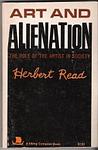
2. Art And Alienation;
The Role of the Artist in Society
The book explores the intricate relationship between art and society, examining how art can both reflect and influence the human condition. It delves into the concept of alienation, particularly in the context of modern industrial society, and how this alienation affects both artists and their audiences. Through a philosophical and historical lens, the book discusses the transformative power of art and its potential to bridge the gap between individual experience and collective consciousness, ultimately advocating for a more integrated and harmonious cultural existence.
-
3. Modern Sculpture
A Study of the Development of Sculpture in the Modern Age

This insightful exploration delves into the evolution and transformation of sculpture from the late 19th century to the mid-20th century, highlighting the radical shifts in form, material, and concept that defined the modernist movement. It examines the works of key artists who broke away from traditional norms to embrace abstraction, experimentation, and new mediums, reflecting the dynamic cultural and social changes of the era. Through a critical lens, the narrative captures the essence of modern sculpture as a reflection of the human experience, innovation, and the relentless pursuit of artistic freedom.
Purchase from Bookshop.org -
4. To Hell With Culture
A polemic rejecting the idea of culture as a narrow, institutionalized set of elite tastes and rules, arguing that genuine culture is spontaneous, creative, and rooted in individual freedom and everyday life; it criticizes modern industrial society and bourgeois values for stifling imagination, challenges centralized cultural authority and authoritarian politics, and calls for educational and social reforms that decentralize power, nurture artistic instinct, and reconnect art with communal and humane aims.
Purchase from Bookshop.org