Tim Marshall
Tim Marshall is a British journalist, author, and broadcaster known for his expertise in international diplomacy and foreign affairs. He has written several books on geopolitics, including 'Prisoners of Geography' and 'The Power of Geography'.
Books
This list of books are ONLY the books that have been ranked on the lists that are aggregated on this site. This is not a comprehensive list of all books by this author.
-
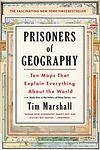
1. Prisoners Of Geography
Ten Maps That Tell You Everything You Need to Know About Global Politics
The book explores how geography has shaped the political landscape of the world, influencing the decisions and strategies of nations throughout history. It delves into the constraints and opportunities presented by natural features such as mountains, rivers, and seas, and how these have impacted the development of countries and their interactions with each other. By examining various regions, the book highlights the enduring power of geography in determining the fate of nations, offering insights into current geopolitical tensions and future challenges.
The 17173rd Greatest Book of All Time -
2. The Future Of Geography
How Power and Politics in Space Will Change Our World
The book explores the geopolitical implications of space exploration and the growing competition among nations to establish dominance beyond Earth. It delves into how advancements in technology and the increasing accessibility of space are reshaping global power dynamics, with countries and private enterprises vying for strategic advantages. The narrative examines the potential for conflict and cooperation in this new frontier, highlighting the importance of international regulations and ethical considerations. Through a detailed analysis, the book underscores the transformative impact of space on future geopolitical landscapes and the necessity for a collaborative approach to harness its benefits responsibly.
-
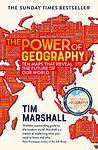
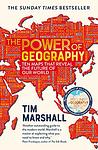
3. The Power Of Geography
Ten Maps That Reveal the Future of Our World
The book explores how geography continues to shape global politics and international relations in the modern world. It delves into the strategic importance of various regions, examining how physical landscapes, natural resources, and geographic boundaries influence the political decisions and conflicts of nations. Through a series of case studies, the book highlights the enduring impact of geography on national strategies and global power dynamics, offering insights into how countries navigate their geopolitical challenges and opportunities.
-
4. Shadowplay
Behind the Lines and Under Fire: The Inside Story of Europe's Last War
The book explores the intricate dynamics of global politics through the lens of geography, examining how physical landscapes, borders, and resources shape international relations and conflicts. It delves into the strategic maneuvers of world powers as they navigate the challenges posed by geography, highlighting the enduring influence of terrain on political decisions and alliances. By analyzing historical and contemporary events, the book provides insights into the geopolitical strategies employed by nations to assert dominance and secure their interests in a complex and interconnected world.
-
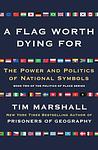
5. Worth Dying For
The Power and Politics of Flags
The book explores the geopolitical significance of national flags and how they symbolize identity, power, and ideology across the globe. It delves into the historical and cultural contexts of various flags, examining how they have been used to unite, divide, and inspire nations. Through a series of case studies, the book highlights the emotional and political weight flags carry, illustrating their role in conflicts, revolutions, and movements for independence. It offers insights into the complex relationship between symbols and the human stories behind them, emphasizing the enduring power of flags in shaping world events.
-
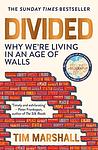
6. Divided
Why We're Living in an Age of Walls
The book explores the geopolitical and cultural divisions that shape our world, examining how physical and ideological barriers impact global politics and societies. It delves into the historical and contemporary reasons behind the construction of walls and borders, both literal and metaphorical, and how these separations influence international relations, economic disparities, and social tensions. Through a series of case studies from various regions, the book highlights the complexities and consequences of a divided world, urging readers to consider the implications of these divisions on future global stability and cooperation.
-
7. Die Macht Der Geographie Im 21. Jahrhundert
Wie Geopolitik unsere Welt bestimmt

This insightful book delves into the intricate ways geography continues to shape global politics and power dynamics in the 21st century. It explores how natural features like mountains, rivers, and seas influence the strategies of nations, dictating their economic and military decisions. By examining various regions around the world, the book reveals how geographical constraints and opportunities impact international relations, conflicts, and cooperation. It provides a nuanced understanding of why certain geopolitical tensions persist and how geography remains a critical factor in the global balance of power.