Piotr Zychowicz
Piotr Zychowicz is a Polish historian, journalist, and author known for his works on World War II and Polish history. He has written several controversial books that challenge traditional narratives and provoke public debate.
Books
This list of books are ONLY the books that have been ranked on the lists that are aggregated on this site. This is not a comprehensive list of all books by this author.
-
1. Żydzi
Opowieści niepoprawne politycznie

The book explores the complex and often contentious history of Jewish communities in Poland, focusing on the interactions and tensions between Jews and Poles throughout the centuries. It delves into various historical events, cultural exchanges, and socio-political dynamics that have shaped the relationship between these two groups. The narrative critically examines myths, stereotypes, and historical narratives, aiming to provide a nuanced understanding of the Jewish experience in Poland, particularly during times of conflict and upheaval. Through a combination of historical analysis and personal stories, the book seeks to shed light on the multifaceted nature of Polish-Jewish relations.
-
2. Germanofil. Władysław Studnicki Polak, Który Chciał Sojuszu Z Iii Rzeszą
Władysław Studnicki Polak, Który Chciał Sojuszu Z Iii Rzeszą
The book explores the controversial figure of Władysław Studnicki, a Polish intellectual and politician who advocated for an alliance between Poland and Nazi Germany before and during World War II. It delves into Studnicki's motivations, beliefs, and the historical context that shaped his views, as well as the broader implications of his pro-German stance. Through a detailed examination of his life and ideas, the book provides insight into the complexities of Polish-German relations and the difficult choices faced by individuals in the tumultuous landscape of 20th-century Europe.
-
3. Żydzi 2
Opowieści niepoprawne politycznie
The book explores the complex and often controversial history of Jewish communities in Poland, focusing on the period during and after World War II. It delves into the interactions between Jews and Poles, examining the socio-political dynamics and the impact of the Holocaust on these relationships. Through a critical lens, the author challenges prevailing narratives and presents a nuanced perspective on the historical events and figures involved, encouraging readers to reconsider commonly held beliefs about this tumultuous era.
-
4. Opcja Niemiecka. Czyli Jak Polscy Antykomuniści Próbowali Porozumieć Się Z Trzecią Rzeszą
Czyli Jak Polscy Antykomuniści Próbowali Porozumieć Się Z Trzecią Rzeszą
The book explores the controversial and complex attempts by Polish anti-communists to negotiate with Nazi Germany during World War II. It delves into the motivations and strategies of these Polish factions, who saw collaboration with the Third Reich as a potential means to counter the Soviet threat and secure Poland's future. Through a detailed examination of historical documents and personal accounts, the narrative sheds light on the moral and political dilemmas faced by these individuals, challenging conventional narratives about Polish resistance and collaboration during the war.
-
5. Skazy Na Pancerzach. Czarne Karty Epopei żołnierzy Wyklętych
Czarne Karty Epopei żołnierzy Wyklętych
The book delves into the complex and often controversial history of the "Cursed Soldiers," members of the Polish anti-communist resistance after World War II. It explores the darker aspects of their legacy, shedding light on the moral ambiguities and difficult choices faced by these fighters in their struggle against Soviet influence in Poland. Through a critical examination of historical events and personal accounts, the author challenges the glorified narrative surrounding these figures, offering a nuanced perspective on their actions and the impact of their resistance.
-
6. Alianci
Opowieść o polskich ochotnikach w Waffen-SS
The book explores an alternative historical perspective on Poland's strategic decisions during World War II, particularly focusing on the alliances and military strategies that could have potentially altered the course of the war for the country. It critically examines the choices made by Polish leaders and suggests that different alliances might have led to more favorable outcomes for Poland. Through a detailed analysis of historical events and decisions, the book challenges conventional narratives and encourages readers to reconsider the complexities of wartime diplomacy and strategy.
-
7. Wołyń Zdradzony, Czyli Jak Dowództwo Ak Porzuciło Polaków Na Pastwę Upa
Czyli Jak Dowództwo AK Porzuciło Polaków Na Pastwę UPA
The book delves into the tragic events in the Volhynia region during World War II, focusing on the controversial decisions made by the Polish Home Army (AK) leadership. It examines how the AK allegedly abandoned the Polish population to the brutal attacks of the Ukrainian Insurgent Army (UPA), leading to widespread massacres and suffering. Through a critical analysis of historical documents and testimonies, the author argues that strategic missteps and political considerations left the Polish civilians vulnerable, raising questions about responsibility and the complex dynamics of wartime alliances and enmities.
-
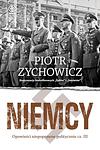
8. Niemcy
Piekło na ziemi
The book presents a provocative analysis of Poland's strategic decisions during World War II, arguing that the country could have pursued a different path to avoid the catastrophic consequences it faced. It explores the potential outcomes had Poland aligned differently with Germany or the Soviet Union, challenging conventional historical narratives. Through a critical examination of political and military strategies, the author suggests that alternative alliances might have preserved Poland's sovereignty and minimized its wartime suffering. The work invites readers to reconsider established perspectives on Poland's role and decisions during the war.
-
9. Pakt Piłsudski Lenin. Czyli Jak Polacy Uratowali Bolszewizm I Zmarnowali Szansę Na Budowę Imperium
Czyli Jak Polacy Uratowali Bolszewizm I Zmarnowali Szansę Na Budowę Imperium
The book explores the complex historical relationship between Poland and Soviet Russia during the early 20th century, focusing on the controversial decisions made by Polish leader Józef Piłsudski. It delves into the political and military strategies that led to Poland inadvertently aiding the survival of Bolshevism, despite having the opportunity to potentially weaken it and expand Polish influence. Through a critical examination of these events, the author argues that Poland missed a significant chance to alter the course of history and establish a more dominant position in Eastern Europe.
-
10. Sowieci
Opowieść o ludziach, którzy przeżyli piekło na ziemi
The book delves into the complex and often controversial history of Soviet actions and policies during World War II and its aftermath, particularly focusing on the impact these had on Poland and Eastern Europe. It critically examines the Soviet Union's strategic decisions, military campaigns, and political maneuvers, highlighting the often brutal and oppressive nature of their occupation and influence in the region. Through a detailed analysis of historical events and figures, the book challenges traditional narratives and encourages readers to reconsider the legacy of Soviet power in shaping the modern geopolitical landscape.
-
11. Obłęd '44. Czyli Jak Polacy Zrobili Prezent Stalinowi, Wywołując Powstanie Warszawskie
Czyli Jak Polacy Zrobili Prezent Stalinowi, Wywołując Powstanie Warszawskie
The book critically examines the decisions leading up to the Warsaw Uprising of 1944, arguing that it was a strategic blunder that ultimately benefited Stalin and the Soviet Union. It explores the political and military miscalculations of the Polish leadership, suggesting that the uprising was a tragic mistake that resulted in unnecessary destruction and loss of life. The author contends that the uprising inadvertently aided Soviet interests by weakening Polish resistance and allowing the Red Army to establish control over Poland with less opposition.
-
12. Ukraińcy
Opowieści o ukraińskich zbrodniach na Polakach
The book delves into the complex and often tumultuous history of Ukrainian-Polish relations, focusing on the events and circumstances that have shaped the interactions between these two nations. It explores the historical tensions, conflicts, and moments of cooperation, providing a nuanced examination of the cultural, political, and social factors that have influenced their relationship. Through a detailed analysis, the book seeks to offer a deeper understanding of the historical narratives and perspectives that continue to impact the dynamics between Ukraine and Poland today.
-
13. Pakt Ribbentrop Beck. Czyli Jak Polacy Mogli U Boku Iii Rzeszy Pokonać Związek Sowiecki
Czyli Jak Polacy Mogli U Boku III Rzeszy Pokonać Związek Sowiecki
The book explores an alternative historical scenario in which Poland forms an alliance with Nazi Germany to defeat the Soviet Union during World War II. It delves into the potential political and military strategies that could have been employed, examining the possible outcomes and consequences of such a pact. The author presents a provocative analysis of Poland's geopolitical situation at the time, challenging conventional historical narratives and encouraging readers to reconsider the complex dynamics of alliances and enmities in the context of the war.
-
14. Nadchodzi Iii Wojna światowa. Czy Ameryka Porzuci Polskę Na Pastwę Rosji?
Czy Ameryka Porzuci Polskę Na Pastwę Rosji?
The book explores the geopolitical tensions and potential for conflict between major world powers, focusing on the possibility of a third world war. It examines the strategic interests of the United States and Russia, particularly in relation to Poland's security and sovereignty. The author delves into historical and contemporary political dynamics, questioning whether the U.S. would abandon its commitments to Poland in the face of Russian aggression. Through a detailed analysis, the book raises concerns about the stability of international alliances and the future of global peace.
-
15. Nadchodzi Iii Wojna Swiatowa. Czy Ameryka Porzuci Polske Na Pastwe Rosji?
Czy Ameryka porzuci Polskę na pastwę Rosji?
The book warns that shifting global power dynamics and a possible reduction of American commitment to Europe increase the risk of a large-scale confrontation with Russia; it combines historical and geographical analysis with contemporary military, political and economic factors to assess NATO’s weaknesses and Poland’s strategic vulnerability, arguing that Warsaw must urgently rethink defense, build resilience and pursue pragmatic alliances to avoid being left exposed to Russian pressure.