Jacek Dukaj
Jacek Dukaj is a renowned Polish science fiction and fantasy writer known for his complex narratives and exploration of philosophical themes. His works often incorporate elements of speculative fiction and are celebrated for their depth and originality.
Books
This list of books are ONLY the books that have been ranked on the lists that are aggregated on this site. This is not a comprehensive list of all books by this author.
-
1. Król Bólu
Opowieści

The book is a collection of thought-provoking and imaginative short stories that explore themes of technology, identity, and the human condition. Each story delves into complex narratives that blend science fiction with philosophical inquiries, often set in richly detailed worlds that challenge the boundaries of reality and perception. The characters grapple with existential dilemmas and the consequences of technological advancements, offering a deep reflection on the nature of suffering, transformation, and the essence of humanity. Through its diverse tales, the book invites readers to ponder profound questions about the future and the moral implications of progress.
-
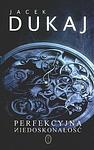
2. Perfekcyjna Niedoskonałość
Perfect Imperfection: First third of progress (Polish: Perfekcyjna niedoskonałość. Pierwsza tercja progresu; also sometimes translated as "Ideal Imperfection") is a science fiction novel published in 2004 by the Polish science fiction writer Jacek Dukaj, ostensibly as the first part of a planned trilogy (no other parts have been published, nor announced as under development). It was published in Poland by Wydawnictwo Literackie. The novel received the prime Polish award for science-fiction literature, Janusz A. Zajdel Award, in 2004. It was translated to Russian in 2019. The book was positively received by critics, although some noted that it thematically resembles the author's older works, likely because it was written several years before it was published. Its unique language, including "posthuman grammar", has received a number of scholarly interpretations.
-
3. Inne Pieśni
The novel is set in an alternate universe where Aristotelian physics and metaphysics shape reality, leading to a world governed by the power of ideas and forms. The story follows Hieronim Berbelek, a former military commander turned merchant, who is drawn back into a life of conflict and intrigue. As he navigates a landscape filled with mythical creatures, philosophical battles, and political machinations, Berbelek must confront the nature of power and identity. The narrative explores themes of transformation, the influence of belief on reality, and the struggle between chaos and order in a richly imagined world.
-
4. Lód
Ice
Set in an alternate history where the Tunguska event of 1908 caused a perpetual winter, the story follows Benedykt Gierosławski, a mathematician and reluctant hero, as he embarks on a journey across a frozen, unrecognizable Europe. Tasked with a mysterious mission by the Russian Empire, he navigates a world where time and reality are distorted by the presence of an enigmatic substance called "ice." As he encounters various factions and philosophical dilemmas, Benedykt grapples with questions of identity, destiny, and the nature of reality itself, all while the looming threat of an eternal winter challenges the very fabric of human existence.
-
5. Córka łupieżcy
Zanim zrozumiesz, że jesteś w pułapce, już w niej tkwisz
The novel is a thought-provoking exploration of identity and reality, set in a world where advanced technology blurs the lines between the virtual and the real. The protagonist, a young woman, navigates a complex landscape of corporate intrigue and personal discovery as she seeks to understand her father's mysterious legacy. As she delves deeper into this high-tech society, she confronts questions about the nature of consciousness and the ethical implications of technological advancements. The narrative weaves together elements of science fiction and philosophical inquiry, challenging readers to consider the impact of technology on human existence.
-
6. Po Piśmie
Świat po piśmie
Set in a world where the written word is becoming obsolete, this thought-provoking narrative explores the profound impact of technology on human cognition and communication. It delves into the evolution of language and the shift from traditional literacy to a digital age dominated by visual and auditory media. Through a blend of philosophical musings and speculative fiction, the story examines how these changes influence identity, culture, and the very fabric of society, challenging readers to reflect on the future of human expression and understanding.
-
7. Wroniec
Set in a surreal, dystopian world, this narrative follows the journey of a young boy named Adam as he navigates through a nightmarish landscape filled with bizarre creatures and oppressive forces. The story is a metaphorical exploration of the political and social turmoil in Poland during the martial law period of the 1980s. As Adam searches for his missing father, he encounters various allegorical figures and challenges that reflect the absurdity and darkness of the regime, ultimately leading to a deeper understanding of courage, resistance, and the power of imagination.