Pankaj Mishra
Pankaj Mishra is an Indian essayist, novelist, and literary critic known for his works on the intersection of literature, politics, and culture. His writings often explore the complexities of globalization and the historical and cultural dynamics between the East and the West.
Books
This list of books are ONLY the books that have been ranked on the lists that are aggregated on this site. This is not a comprehensive list of all books by this author.
-
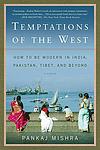
1. Temptations Of The West
How to Be Modern in India, Pakistan, Tibet, and Beyond
The book explores the complex social, political, and cultural transformations occurring in South Asia as it grapples with the influences of Westernization and globalization. Through a series of essays and personal narratives, the author delves into the lives of individuals across India, Pakistan, Nepal, and Afghanistan, highlighting the tensions between tradition and modernity. The work provides a nuanced examination of the region's struggles with democracy, identity, and economic development, offering insights into the aspirations and challenges faced by its people in an increasingly interconnected world.
The 17173rd Greatest Book of All TimePurchase from Amazon -
2. From The Ruins Of Empire
The Intellectuals Who Remade Asia
The book explores the intellectual and political awakening in Asia during the late 19th and early 20th centuries, focusing on how Asian thinkers and leaders responded to Western imperialism. It delves into the lives and ideas of influential figures from countries like India, China, and the Middle East, highlighting their efforts to reclaim cultural identity and sovereignty. Through a detailed examination of historical events and philosophical movements, the narrative illustrates the complex interplay between Eastern and Western ideologies and the enduring impact of colonialism on contemporary global politics.
The 17173rd Greatest Book of All TimePurchase from Bookshop.org or Amazon -
3. Age Of Anger
A History of the Present
The book explores the roots of the widespread anger and discontent seen in the modern world, tracing them back to the Enlightenment and the subsequent rise of individualism and capitalism. It examines how these historical developments have led to feelings of alienation and resentment, particularly among those who feel left behind by globalization and modernization. Through a historical and philosophical lens, the author connects the rise of nationalism, fundamentalism, and populism to these deep-seated grievances, offering a comprehensive analysis of the psychological and social dynamics fueling contemporary unrest.
-
4. Tijd Van Woede
A History of the Present

A sweeping analysis that traces how rapid modernization, economic dislocation and cultural humiliation have fueled a global surge of rage and illiberal politics. Drawing on history and contemporary events, it argues that widespread feelings of social displacement, loss of status, and unmet expectations — intensified by imperialism and unequal globalization — have produced movements of resentment, identity-based backlash and authoritarian impulses. The work shows how these recurring forces help explain contemporary populism and violence as products of modernity’s failures rather than mere aberrations.
-
5. Mastering Oracle Sql
A practical, example‑driven guide to writing efficient Oracle SQL that covers core query techniques (joins, subqueries, set operations, aggregation) and advanced features such as analytic functions, hierarchical queries, the MODEL clause, and advanced DML. It emphasizes how the Oracle optimizer works, reading execution plans, indexing and bind‑variable strategies, and common performance‑tuning approaches, providing patterns and best practices for developers and DBAs to write clearer, faster SQL and troubleshoot query performance.
-
6. The World After Gaza
A trenchant, wide‑ranging meditation on how the Gaza conflict has laid bare the fractures of the contemporary world order: revealing Western hypocrisy and moral blind spots, accelerating the erosion of liberal internationalism, and fueling the resurgence of violent nationalism, sectarianism and authoritarian politics across regions. Combining historical context with current events, the book traces how memories of empire, geopolitical realignments, and media‑shaped narratives shape public sentiment in the Global South and North alike, and argues that confronting these tangled grievances is necessary to imagine any credible path toward justice, accountability and a more stable international politics.
Purchase from Bookshop.org