Philip Kitcher
Philip Kitcher is a prominent philosopher known for his work in the philosophy of science, the philosophy of biology, and the role of science in society. He has contributed significantly to discussions on scientific realism, the nature of scientific progress, and the ethical implications of scientific research.
Books
This list of books are ONLY the books that have been ranked on the lists that are aggregated on this site. This is not a comprehensive list of all books by this author.
-
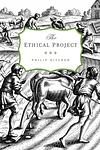
1. The Ethical Project
A Philosophical Exploration of Ethics
The book explores the evolution and development of ethical practices and moral systems as a collective human endeavor. It argues that ethics is not a static set of principles but a dynamic project shaped by human needs and social interactions over time. The author examines how ethical norms have emerged and transformed through collaborative efforts to address practical problems and improve communal life. By viewing ethics as an ongoing project, the book emphasizes the importance of adaptability and dialogue in moral progress, suggesting that ethical understanding is deeply rooted in the human experience and continuously evolving.
-
2. Kant's Transcendental Psychology
A Study of the Structure of Kant's Critical Philosophy

This insightful work delves into the intricate relationship between Immanuel Kant's critical philosophy and his views on human psychology, exploring how Kant's ideas about the mind's structure and function underpin his broader philosophical system. The book examines the ways in which Kant's transcendental idealism offers a framework for understanding cognitive processes, perception, and self-awareness, highlighting the enduring relevance of his theories in contemporary psychological discourse. Through a detailed analysis of Kant's writings, the text reveals the profound implications of his thought for the study of human consciousness and the nature of experience.
Purchase from Bookshop.org