Mortimer J. Adler
Mortimer J. Adler was an American philosopher, educator, and popular author. He was a proponent of the Great Books movement and played a significant role in the development of the 'Great Books of the Western World' series. Adler was also known for his work in philosophy of education and his efforts to promote liberal education.
Books
This list of books are ONLY the books that have been ranked on the lists that are aggregated on this site. This is not a comprehensive list of all books by this author.
-
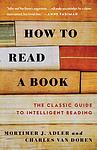
1. How To Read A Book
The Classic Guide to Intelligent Reading
This book serves as a comprehensive guide to enhancing reading skills, offering strategies for engaging with texts at various levels of complexity. It outlines different types of reading, from elementary to analytical, and provides techniques for critical thinking and understanding. The book emphasizes the importance of active reading, encouraging readers to ask questions, take notes, and engage deeply with the material. It also discusses how to approach different genres and the importance of syntopical reading, which involves comparing and synthesizing information from multiple sources to gain a broader understanding of a subject.
The 16763rd Greatest Book of All TimePurchase from Amazon -
2. How To Speak / How To Listen

This insightful guide delves into the art of effective communication, emphasizing the importance of both speaking and listening as crucial components of meaningful dialogue. It explores the principles of clear expression and attentive listening, offering practical advice for engaging in productive conversations. By highlighting the significance of understanding and being understood, the book provides readers with the tools to enhance their communication skills, fostering deeper connections and more fruitful exchanges in both personal and professional settings.
Purchase from Bookshop.org -
3. The Paideia Proposal
An Educational Manifesto
This educational manifesto advocates for a comprehensive reform of the American education system, emphasizing the need for a single-track curriculum that serves all students equally. It proposes a holistic approach to learning, focusing on three modes of teaching: didactic instruction, coaching, and Socratic questioning, to cultivate critical thinking and lifelong learning. The proposal underscores the importance of a well-rounded education that includes the arts and sciences, aiming to prepare students not just for work, but for active and informed citizenship in a democratic society.
Purchase from Bookshop.org -
4. A General Introduction To The Great Books And To A Liberal Education
This short introduction argues that a true liberal education is achieved by serious engagement with the Great Books — primary texts that address the perennial questions of human life — rather than through vocational training or secondary summaries; it explains the aims of such an education, the kinds of works to study across disciplines, and the methods of close, dialectical reading that develop critical thinking, judgment, and intellectual maturity. The essay emphasizes reading original sources in dialogue with one another, pursuing fundamental problems across time and cultures, and cultivating the habits of mind necessary for thoughtful citizenship and a examined life.