Steven J. Mithen
Steven J. Mithen is a British archaeologist and professor known for his work in the field of prehistory and cognitive archaeology. He has authored several influential books and articles exploring the development of human intelligence and the evolution of human societies.
Books
This list of books are ONLY the books that have been ranked on the lists that are aggregated on this site. This is not a comprehensive list of all books by this author.
-
1. The Language Puzzle

The book explores the evolution of human language, delving into the intricate connections between cognitive development, social interaction, and environmental influences that have shaped our ability to communicate. It examines the gradual emergence of language from the earliest forms of communication among our ancestors, highlighting the role of gestures, sounds, and symbols in the development of complex linguistic systems. Through a multidisciplinary approach, the narrative weaves together insights from archaeology, anthropology, and linguistics to unravel the mysteries of how language has become a defining characteristic of human identity and culture.
The 17173rd Greatest Book of All Time -
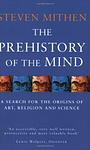
2. The Prehistory Of The Mind
A Search for the Origins of Art, Religion, and Science
The book explores the evolution of human cognitive abilities by examining archaeological, anthropological, and psychological evidence. It proposes that the mind evolved through distinct stages, beginning with the general intelligence of early hominids and progressing to the specialized intelligences of modern humans. The author introduces the concept of "cognitive fluidity," suggesting that the integration of different domains of intelligence—such as social, technical, and natural history—enabled the development of complex behaviors like art, religion, and language. Through this interdisciplinary approach, the book provides insights into how the prehistoric mind laid the foundation for contemporary human thought and culture.
-
3. After The Ice
A Global Human History, 20,000-5000 BC
A vivid synthesis of global archaeology tracing how hunter-gatherers adapted to dramatic post-glacial climate change between 20,000 and 5,000 BCE, following people across Africa, Europe, Asia, Oceania, and the Americas as sea levels rose and environments shifted. Blending scientific evidence with evocative reconstructions of daily life, it explores the emergence of domestication, sedentism, and new technologies, culminating in the rise of farming communities, towns, and growing social complexity that laid foundations for later civilizations.
Purchase from Bookshop.org -
4. The Singing Neanderthals
The Origins of Music, Language, Mind, and Body
Proposes that music and language evolved from a shared, pre-linguistic communication system—holistic, manipulative, multi-modal, musical, and mimetic—used by early humans and especially Neanderthals. Drawing on archaeology, neuroscience, and anthropology, it argues that rhythmic movement, melody, and vocalizations supported social bonding, emotional expression, coordination, and caregiving long before complex syntax emerged. The account suggests that modern language later diverged from this musical protolanguage, leaving music as a powerful vestige in the human brain and culture.
Purchase from Bookshop.org