Antonio Buero Vallejo
Antonio Buero Vallejo was a prominent Spanish playwright known for his significant contributions to Spanish theater. His works often explored themes of social injustice and the human condition, and he is considered one of the most important Spanish dramatists of the 20th century.
Books
This list of books are ONLY the books that have been ranked on the lists that are aggregated on this site. This is not a comprehensive list of all books by this author.
-
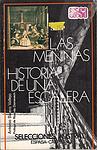
1. Historia De Una Escalera / Las Meninas
The book intertwines two plays that explore themes of social struggle and the passage of time. The first play depicts the lives of several families living in a tenement building, highlighting their dreams, frustrations, and the cyclical nature of poverty as generations strive for a better future but often find themselves trapped in the same circumstances. The second play delves into the world of art and illusion, focusing on the famous painting "Las Meninas" by Diego Velázquez, and examines the complex interplay between reality and representation, as well as the artist's role in society. Both plays offer a profound commentary on human aspirations and the societal structures that influence them.
-
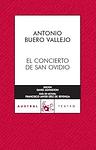
2. El Concierto De San Ovidio
Historia de un ciego
Set in 18th-century Paris, this poignant drama explores themes of exploitation, ambition, and the human spirit through the lives of blind musicians who are manipulated by a ruthless impresario. As they prepare for a concert in honor of Saint Ovidius, the musicians grapple with their own desires for dignity and recognition amidst the harsh realities of their existence. The narrative delves into the moral complexities of art and the sacrifices made in its pursuit, ultimately questioning the true cost of success and the essence of humanity.
-
3. La Fundación
Set in a dystopian world, the narrative unfolds within the confines of a seemingly idyllic foundation, where a group of men live under the illusion of freedom and security. As the protagonist, Tomás, begins to question the reality of their environment, the facade of the foundation crumbles, revealing a grim truth of imprisonment and control. The play explores themes of perception versus reality, the human spirit's resilience, and the oppressive nature of totalitarian regimes, challenging the characters and audience to confront the boundaries between hope and despair.