Anthony Everitt
Anthony Everitt is a British author known for his biographies of Roman historical figures. He has written extensively on subjects such as Cicero, Augustus, and Hadrian, blending historical scholarship with engaging narrative.
Books
This list of books are ONLY the books that have been ranked on the lists that are aggregated on this site. This is not a comprehensive list of all books by this author.
-
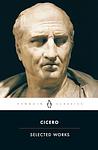
1. Cicero
The Life and Times of Rome's Greatest Politician
The book provides a detailed biography of the Roman statesman and orator, exploring his life from humble beginnings to becoming one of Rome's most influential figures. It delves into his political career, philosophical contributions, and the turbulent times he lived through, including the fall of the Roman Republic. The narrative highlights his eloquence, intellectual pursuits, and the challenges he faced in navigating the complex political landscape of Rome. Through a vivid portrayal of his personal and public life, the book offers insights into the broader historical context of ancient Rome and Cicero's enduring legacy.
-
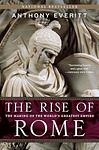
2. The Rise Of Rome
The Making of the World's Greatest Empire
This historical narrative delves into the fascinating evolution of Rome from a humble settlement to a formidable empire that shaped the ancient world. It chronicles the city's early days, exploring the myths and legends surrounding its founding, and traces its expansion through strategic warfare, political innovation, and cultural assimilation. The book highlights key figures and pivotal events that contributed to Rome's ascendancy, offering insights into the social, political, and military factors that fueled its rise. Through vivid storytelling, it captures the essence of Rome's enduring legacy and its profound impact on Western civilization.
-
3. The Community Of Kent And The Great Rebellion, 1640 60
Civil War and Revolution in the English County

This historical analysis delves into the socio-political dynamics of Kent during the tumultuous period of the English Civil War, exploring how local communities navigated the broader national conflict. The narrative examines the interplay between local governance, economic pressures, and shifting allegiances, highlighting the unique role Kent played in the rebellion. Through detailed accounts of key figures and events, the book illustrates the complexities of loyalty and power in a region caught between royalist and parliamentary forces, offering a microcosmic view of the broader upheaval that reshaped England in the mid-17th century.
-
4. Continuity And Colonization
This insightful work delves into the intricate dynamics of cultural and political continuity amidst the backdrop of colonial expansion. It explores how colonizing powers often sought to impose their own systems and values on indigenous populations, while simultaneously adapting and integrating elements of the local culture to maintain stability and control. Through a nuanced examination of historical case studies, the book highlights the complex interplay between the colonizers and the colonized, revealing the enduring legacies and transformations that have shaped modern societies.
-
5. A Ascensão De Atenas
A História da Primeira Democracia do Mundo
This book offers a captivating exploration of the rise of Athens from a modest city-state to a dominant force in the ancient world, highlighting its remarkable achievements in democracy, philosophy, and the arts. Through vivid storytelling, it delves into the lives of influential figures and pivotal events that shaped Athens' golden age, illustrating how its innovative spirit and cultural advancements laid the foundations for Western civilization. The narrative paints a comprehensive picture of the city's political and social dynamics, emphasizing the enduring legacy of its intellectual and artistic contributions.
-
6. Human Monsters
In this gripping exploration of history's most notorious figures, readers are taken on a journey through the lives of individuals who have left an indelible mark on the world through their malevolent actions. The narrative delves into the psychological and societal factors that shaped these infamous personalities, offering insights into the darker aspects of human nature. Through meticulously researched accounts, the book examines the motivations, ambitions, and ultimate downfalls of these "human monsters," providing a thought-provoking reflection on the complexities of morality and the thin line between good and evil.
Purchase from Bookshop.org -
7. Nero
A vivid political and cultural biography that traces the life and reign of Rome’s most infamous emperor from his privileged childhood and manipulation by family and advisers through his early promise as a patron of the arts to the descent into extravagance, violence and political chaos; it examines the key events of his rule—the influence of Agrippina and Seneca, the financial and moral pressures of imperial display, the Great Fire of Rome and subsequent persecutions—and explores how ancient sources shaped his reputation, arguing for a nuanced picture of a ruler who was both a product of his time and responsible for the end of a dynasty.
-
8. Augustus
The Life of Rome's First Emperor
Tracing the life of Octavian from his unlikely rise after Julius Caesar’s assassination through the ensuing civil wars, this narrative shows how he outmaneuvered rivals, defeated Mark Antony and Cleopatra, and engineered the transformation of the Roman Republic into the Principate. It examines his administrative and military reforms, use of propaganda and monumental building to secure popular support, and the complex web of family and marital alliances that underpinned his power, portraying a shrewd, pragmatic leader whose moral compromises and political skill shaped Rome’s transition to empire and left a lasting legacy.
Purchase from Bookshop.org -
9. The Rise Of Athens
The Story of the World's Greatest Civilization
A readable narrative history tracing Athens’s transformation from a modest city-state into the dominant power of classical Greece, recounting political reforms that birthed Athenian democracy, the rise of naval power and victory in the Persian Wars, the cultural flowering under Pericles, and the hubris and decline brought by the Peloponnesian War. It interweaves biographies of key figures and the evolution of institutions with military and diplomatic events, showing how leadership, civic structures, art, drama, and philosophy combined to create an extraordinary civic experiment. The account explains both the city’s achievements and the internal contradictions and external pressures that ultimately undermined its hegemony.
Purchase from Bookshop.org