Francis Russell
Books
This list of books are ONLY the books that have been ranked on the lists that are aggregated on this site. This is not a comprehensive list of all books by this author.
-
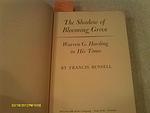
1. The Shadow Of Blooming Grove
Warren G. Harding in His Times
The book provides a detailed exploration of the life and political career of Warren G. Harding, the 29th President of the United States. It delves into his rise from humble beginnings in Ohio to his unexpected ascent to the presidency, highlighting his affable personality and the political machinations that propelled him forward. The narrative also examines the scandals and controversies that marred his administration, such as the infamous Teapot Dome scandal, and reflects on his legacy and the impact of his leadership on American politics. Through meticulous research, the book paints a nuanced portrait of Harding, offering insights into his personal and professional complexities.
-
2. 101 Places In Italy
A Private Grand Tour

This captivating travel guide offers an intimate exploration of Italy's hidden gems, steering away from the well-trodden tourist paths to uncover lesser-known treasures. With a keen eye for detail and a deep appreciation for history and culture, the book invites readers on a journey through picturesque villages, ancient ruins, and breathtaking landscapes. Each location is vividly brought to life with rich descriptions and insightful anecdotes, providing a unique perspective on Italy's diverse regions and their timeless allure. Perfect for both seasoned travelers and armchair explorers, it inspires a deeper connection with the enchanting spirit of Italy.
Purchase from Bookshop.org -
3. Harrington And His Oceana; A Study Of A 17th Century Utopia And Its Influence In America
A Study of a 17th Century Utopia and Its Influence in America
Analyzes James Harrington’s 17th-century republican treatise in its English context, explaining its program of agrarian balance, rotation and ballot, a deliberative senate paired with a deciding popular assembly, and reliance on a citizen militia, then follows the transmission of these ideas to the American colonies through Commonwealthmen and Whig channels, showing how they informed Revolutionary-era discourse and elements of early constitutional design—especially bicameralism, separation of functions, term limits, and civic virtue—while weighing the scope, pathways, and limits of that influence.
Purchase from Bookshop.org