Jane Langton
Books
This list of books are ONLY the books that have been ranked on the lists that are aggregated on this site. This is not a comprehensive list of all books by this author.
-
1. God In Concord
A Homer Kelly Mystery

In this mystery novel, the tranquil town of Concord is disrupted by a series of unsettling events, including the murder of a local environmentalist. The protagonist, Homer Kelly, a Harvard professor and former detective, becomes embroiled in the investigation as he navigates the complexities of small-town politics, environmental activism, and personal vendettas. As he delves deeper into the case, Homer uncovers hidden secrets and motives that challenge his understanding of justice and morality, ultimately leading to a surprising resolution that restores peace to the community.
-
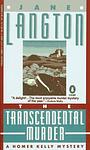
2. The Transcendental Murder
An Homer Kelly Mystery
Set against the backdrop of a small New England college, this intriguing mystery unfolds as Homer Kelly, a Harvard professor and amateur detective, finds himself embroiled in a perplexing murder case. The death of a college faculty member, initially dismissed as an accident, soon reveals a web of academic rivalries, hidden secrets, and philosophical debates. As Kelly delves deeper into the lives of the eccentric characters surrounding the victim, he must navigate through the complexities of transcendental thought and human motives to uncover the truth, all while reflecting on the nature of justice and morality.
-
3. Forests And Chases Of Medieval England And Wales, C.1000 To C.1500
This comprehensive exploration delves into the intricate tapestry of medieval England and Wales, focusing on the pivotal role forests and chases played in shaping the social, economic, and political landscapes from the 11th to the 15th century. It examines how these vast woodlands were not only vital resources for timber and hunting but also served as arenas for power struggles among nobility, influencing land ownership and governance. Through meticulous research, the narrative unveils the symbiotic relationship between humans and nature during this era, highlighting the enduring legacy of these natural sanctuaries in medieval society.