John M. Thompson
Books
This list of books are ONLY the books that have been ranked on the lists that are aggregated on this site. This is not a comprehensive list of all books by this author.
-
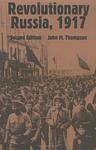
1. Revolutionary Russia, 1917
The book provides a concise and insightful examination of the pivotal year 1917 in Russian history, focusing on the dramatic events that led to the fall of the Romanov dynasty and the rise of Bolshevik power. It explores the complex social, political, and economic factors that fueled revolutionary fervor, highlighting the roles of key figures and the impact of World War I on Russia's internal dynamics. Through a detailed narrative, the book captures the chaos and uncertainty of the period, illustrating how the revolution fundamentally transformed Russian society and set the stage for the Soviet era.
-
2. Ruins Reused
Changing Attitudes to Ruins Since the Eighteenth Century

Set against the backdrop of ancient civilizations, this insightful exploration delves into the fascinating ways in which societies have repurposed the remnants of past empires to forge new identities and cultural narratives. Through a series of compelling case studies, the narrative examines how architectural ruins have been reimagined and integrated into the fabric of contemporary life, serving as symbols of resilience, continuity, and transformation. The book offers a nuanced perspective on the interplay between history and modernity, highlighting the enduring impact of the past on present-day cultural landscapes.
-
3. General Pitt Rivers
Evolution and Archaeology in the Nineteenth Century
This book delves into the life and legacy of a pioneering figure in archaeology and anthropology, exploring his innovative approaches to excavation and his contributions to the understanding of human history. It highlights his methodical techniques and the establishment of systematic processes that laid the groundwork for modern archaeological practices. Through a detailed examination of his work, the narrative sheds light on his influence in transforming archaeology from a hobbyist pursuit into a rigorous scientific discipline, while also addressing the broader cultural and historical contexts of his time.
-
4. Ruins
A Journey Through Lost Civilizations
Set against the backdrop of a post-apocalyptic world, the narrative follows a group of survivors as they navigate the remnants of a once-thriving civilization. As they traverse the desolate landscapes, they grapple with the challenges of survival, the haunting memories of the past, and the hope for a new beginning. The story delves into the complexities of human nature, exploring themes of resilience, community, and the enduring spirit of hope amidst the ruins of a shattered world.
-
5. The Decline Of The Castle
Set against the backdrop of medieval Europe, this historical exploration delves into the architectural and societal transformations that led to the gradual decline of the once-mighty castles. The narrative examines how advancements in military technology, shifts in political power, and changing social structures contributed to the obsolescence of these formidable fortresses. Through vivid descriptions and insightful analysis, the book paints a picture of a world in transition, where the symbolic and strategic importance of castles waned, giving way to new forms of governance and defense.
Purchase from Bookshop.org -
6. Medieval Bishops' Houses In England And Wales
Architecture and Social History
This book delves into the architectural and historical significance of the residences of medieval bishops in England and Wales, offering a detailed exploration of their design, construction, and the role they played in the ecclesiastical and social landscape of the time. Through meticulous research, it highlights the evolution of these structures from simple dwellings to grand palatial complexes, reflecting the growing power and influence of the church. The narrative is enriched with illustrations and case studies, providing a comprehensive understanding of how these houses served as both spiritual centers and symbols of authority during the medieval period.
Purchase from Bookshop.org -
7. The Medieval Hall
The book delves into the architectural and cultural significance of medieval halls, exploring their evolution from simple communal spaces to grandiose structures that symbolized power and prestige. It examines the intricate designs, construction techniques, and the social dynamics that unfolded within these halls, offering insights into the daily lives, ceremonies, and political gatherings of the time. Through vivid descriptions and historical context, the book paints a comprehensive picture of how these halls served as the heart of medieval communities, reflecting the era's artistic and societal values.
Purchase from Bookshop.org -
8. The Rise Of The Castle
Set in a medieval world teetering on the brink of transformation, this tale follows the journey of a young squire who dreams of knighthood amidst the political intrigue and power struggles of a crumbling kingdom. As he navigates the treacherous corridors of the castle, he uncovers secrets that could alter the fate of the realm. With alliances shifting and loyalties tested, he must decide where his true allegiance lies, all while grappling with the burdens of honor, duty, and love in a world where the line between friend and foe is blurred.
Purchase from Bookshop.org -
9. Planning Australia
An Overview of Urban and Regional Planning
The book provides a comprehensive overview of urban and regional planning in Australia, exploring the historical, political, and social contexts that shape planning practices across the country. It delves into the challenges faced by planners, such as managing urban growth, environmental sustainability, and community engagement, while also highlighting the diverse approaches and strategies employed to address these issues. Through case studies and expert insights, the book offers a critical examination of planning policies and their impact on Australian cities and regions, making it an essential resource for students, professionals, and anyone interested in the dynamics of urban development.
Purchase from Bookshop.org -
10. Imperial Knowledge
The book delves into the intricate relationship between knowledge and power, exploring how imperial powers have historically used knowledge as a tool for domination and control. It examines the ways in which knowledge production and dissemination have been manipulated to serve imperial interests, shaping perceptions and narratives to maintain authority over colonized regions. Through a critical analysis of historical and contemporary examples, the book highlights the enduring impact of these practices on global power dynamics and the ongoing struggle for intellectual autonomy and decolonization.