Stefano Zuffi
Stefano Zuffi is an Italian art historian and author known for his works on art history and appreciation. He has written numerous books on various art movements and artists, providing insights into the world of art for both general readers and specialists.
Books
This list of books are ONLY the books that have been ranked on the lists that are aggregated on this site. This is not a comprehensive list of all books by this author.
-
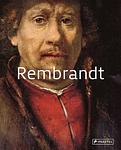
1. Rembrandt
The Complete Paintings in Detail
The book offers an insightful exploration of the life and work of the renowned Dutch painter, focusing on his artistic evolution and the profound impact he had on the art world. It delves into his masterful use of light and shadow, his innovative techniques, and the emotional depth of his portraits and historical scenes. Through a detailed examination of his most significant works, the book provides a comprehensive understanding of his contributions to the Baroque period and his enduring legacy in art history.
-
2. Love And The Erotic In Art
From the Age of Classicism to Modernity

This captivating exploration delves into the intricate relationship between love, desire, and artistic expression throughout history. It examines how artists across various cultures and eras have depicted the complexities of romantic and erotic themes, revealing the profound impact of these emotions on the human experience. Through a rich tapestry of paintings, sculptures, and other art forms, the book offers a nuanced understanding of how love and sensuality have been celebrated, censored, and interpreted, providing a window into the evolving perceptions of intimacy and passion in art.
Purchase from Bookshop.org -
3. Gospel Figures In Art
The New Testament
This insightful exploration delves into the rich tapestry of Christian iconography, offering readers a comprehensive guide to understanding the portrayal of biblical figures in Western art. Through a detailed examination of various artworks, the book illuminates the symbolic meanings and historical contexts behind the depictions of key gospel characters, from the serene Madonna to the dramatic scenes of the Crucifixion. By bridging the gap between art history and theology, it provides a deeper appreciation of how these timeless images have shaped and been shaped by cultural and religious narratives throughout the centuries.