Rudolf Wittkower
Rudolf Wittkower was a German art historian known for his work on architectural history and his influential writings on the art and architecture of the Italian Renaissance and Baroque periods.
Books
This list of books are ONLY the books that have been ranked on the lists that are aggregated on this site. This is not a comprehensive list of all books by this author.
-
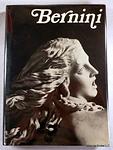
1. Bernini
The Sculptor of the Roman Baroque
The book provides an in-depth exploration of the life and work of the renowned Italian sculptor and architect, Gian Lorenzo Bernini. It delves into his significant contributions to the Baroque period, highlighting his innovative artistic techniques and the profound impact he had on the art and architecture of his time. Through detailed analysis and rich illustrations, the book examines Bernini's masterpieces, including his sculptures, fountains, and architectural projects, while also offering insights into his personal life and the cultural context in which he worked.
-
2. Gothic Versus Classic
Architectural Principles in the Age of Humanism

This insightful work delves into the contrasting architectural styles of Gothic and Classical, exploring their historical evolution, cultural significance, and aesthetic principles. The author examines how these two distinct styles reflect broader societal values and philosophical ideas, highlighting the tension between the organic, intricate designs of Gothic architecture and the harmonious, symmetrical forms of Classical structures. Through a detailed analysis, the book offers a deeper understanding of how these architectural movements have shaped the built environment and influenced artistic expression throughout history.
-
3. Palladio And English Palladianism
The Art and Architecture of the Classical Revival
This insightful work delves into the profound influence of Andrea Palladio, a renowned Italian architect of the Renaissance, on English architecture. It explores how Palladio's principles, characterized by symmetry, perspective, and classical temple fronts, were adapted and transformed by English architects during the 17th and 18th centuries. The book examines the cultural and historical contexts that facilitated the rise of English Palladianism, highlighting key figures and iconic structures that epitomize this architectural movement. Through a detailed analysis, it underscores the enduring legacy of Palladian ideals in shaping the aesthetic and functional aspects of English architecture.
-
4. Studies In The Italian Baroque
The Art and Architecture of the Seventeenth Century
This insightful exploration delves into the rich tapestry of Italian Baroque art and architecture, examining the dynamic interplay of form, space, and emotion that defines the period. Through a series of detailed analyses, the work highlights the innovative approaches of key figures and the cultural contexts that shaped their creations. The study offers a comprehensive understanding of how the Baroque style transcended mere ornamentation to become a powerful vehicle for expression, reflecting the societal and religious transformations of the time.
Purchase from Bookshop.org -
5. Architectural Principles In The Age Of Humanism
This influential work explores the profound relationship between architecture and humanism during the Renaissance, delving into how classical principles were revived and adapted to reflect the era's intellectual and cultural shifts. It examines the harmonious proportions and geometric precision that characterized Renaissance architecture, emphasizing the philosophical and aesthetic ideals that guided architects of the time. Through detailed analysis, the book reveals how these principles were not merely stylistic choices but were deeply intertwined with the broader humanist movement, reflecting a renewed interest in the potential and dignity of human beings.
Purchase from Bookshop.org -
6. Born Under Saturn
The Character and Conduct of Artists: A Documented History from Antiquity to the French Revolution
This insightful exploration delves into the complex lives and personalities of artists from the Renaissance to the Enlightenment, examining how societal perceptions of artists as eccentric, melancholic, or even mad geniuses have evolved over time. By analyzing historical records, letters, and anecdotes, the book reveals how these creative individuals were often seen as being "born under Saturn," a phrase symbolizing their perceived melancholic temperament. The narrative sheds light on the intricate relationship between creativity and temperament, offering a nuanced understanding of how artists have been viewed through the ages.
Purchase from Bookshop.org