Michael Baxandall
Michael Baxandall was a renowned British art historian, known for his work on the social history of art and his influential books such as 'Painting and Experience in Fifteenth Century Italy'.
Books
This list of books are ONLY the books that have been ranked on the lists that are aggregated on this site. This is not a comprehensive list of all books by this author.
-
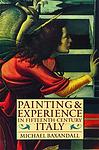
1. Painting And Experience In Fifteenth Century Italy
A Primer in the Social History of Pictorial Style
The book explores the relationship between the art of painting and the cultural, social, and economic contexts of fifteenth-century Italy. It delves into how the skills and techniques of painters were influenced by the expectations and demands of patrons, as well as the broader societal values of the time. The author examines the ways in which artists communicated with their audiences through visual language, emphasizing the importance of understanding the historical and cultural background to fully appreciate the art of this period. Through detailed analysis, the book provides insights into the interplay between artistic practice and the lived experience of the Renaissance.
-
2. Giotto And The Orators
Humanist Observers of Painting in Italy and the Discovery of Pictorial Composition, 1350-1450

This insightful work delves into the intricate relationship between art and rhetoric during the Italian Renaissance, focusing on how the revival of classical oratory influenced the visual arts. It explores the ways in which artists, particularly painters, were inspired by the principles of eloquence and persuasion, drawing parallels between the techniques of orators and the visual strategies employed in painting. Through a detailed analysis of historical context and artistic practices, the book illuminates the intellectual environment of the period, highlighting the symbiotic interaction between verbal and visual expression.
-
3. Patterns Of Intention
On the Historical Explanation of Pictures
This insightful work delves into the intricate relationship between the intentions of artists and the resulting visual forms in their creations. It explores how the context, including historical, cultural, and social factors, influences the artistic process and the interpretation of art. By examining various case studies, the book offers a nuanced understanding of how artists navigate their intentions and how these intentions manifest in their work, ultimately challenging the reader to consider the complexities of artistic expression and perception.