John McWhorter
John McWhorter is an American linguist, academic, and author known for his work on language and race relations. He is a professor at Columbia University and has written extensively on topics related to linguistics and cultural issues.
Books
This list of books are ONLY the books that have been ranked on the lists that are aggregated on this site. This is not a comprehensive list of all books by this author.
-
1. Words On The Move
Why English Won't - and Can't - Sit Still (Like, Literally)
In this insightful exploration of language, the author delves into the dynamic and ever-evolving nature of English, illustrating how words and meanings shift over time. Through engaging anecdotes and historical examples, the book reveals how linguistic changes are a natural and inevitable part of communication, driven by cultural influences, technological advancements, and social interactions. The narrative challenges the notion of a "correct" form of language, encouraging readers to embrace the fluidity and adaptability of words as a reflection of human creativity and societal progress.
The 9192nd Greatest Book of All TimePurchase from Amazon -
2. Talking Back, Talking Black
Truths About America's Lingua Franca
This insightful work delves into the intricacies of African American Vernacular English (AAVE), challenging common misconceptions and highlighting its rich linguistic heritage. It explores how this dialect, often misunderstood and stigmatized, is a legitimate and complex form of communication with its own rules and nuances. Through a blend of historical context, linguistic analysis, and cultural commentary, the book advocates for a broader appreciation and understanding of AAVE, emphasizing its role in shaping identity and cultural expression within the African American community.
The 9192nd Greatest Book of All TimePurchase from Bookshop.org or Amazon -
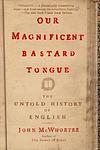
3. Our Magnificent Bastard Tongue
The Untold History of English
The book explores the evolution and peculiarities of the English language, challenging traditional linguistic theories by emphasizing the impact of historical events and cultural interactions. It argues that English's unique grammar and structure are significantly influenced by the Celtic languages and Old Norse, rather than solely by Latin or Germanic roots. Through a lively and accessible narrative, the author highlights how invasions, migrations, and social changes have shaped English into a distinctive and dynamic language, offering a fresh perspective on its development and complexity.
-
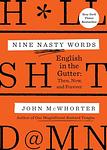
4. Nine Nasty Words
English in the Gutter: Then, Now, and Forever
In this insightful exploration of profanity, the author delves into the history, evolution, and cultural significance of nine infamous swear words that have shaped the English language. Through a blend of linguistic analysis and social commentary, the book examines how these words have transitioned from taboo to mainstream, reflecting broader societal changes and attitudes. The narrative not only uncovers the origins and transformations of these words but also highlights their power in expressing emotion and identity, offering readers a deeper understanding of the complex role profanity plays in communication and culture.
-
5. Word On The Street
Debunking Linguistic Urban Legends
This insightful exploration delves into the dynamic nature of language, challenging the notion of linguistic purity and highlighting the evolution of English through its interactions with various cultures and communities. The author argues that language is a living entity, constantly adapting and reshaping itself in response to social changes and external influences. By examining historical shifts and contemporary trends, the book celebrates the diversity and resilience of English, encouraging readers to embrace the fluidity and creativity inherent in linguistic transformation.
-
6. The Power Of Babel
A Natural History of Language
This insightful exploration delves into the dynamic evolution of human languages, illustrating how they are not static entities but ever-changing, living organisms. Through a captivating narrative, it reveals the intricate processes of linguistic transformation, driven by cultural exchanges, migrations, and historical events. The book highlights the interconnectedness of languages, tracing their roots back to a common origin and demonstrating how they have diverged and converged over time. It challenges the notion of linguistic purity, emphasizing the natural and inevitable blending of languages as societies interact and evolve.
-
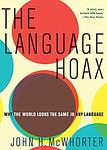
7. The Language Hoax
Why the World Looks the Same in Any Language
In this thought-provoking exploration of linguistic diversity, the author challenges the popular notion that language shapes thought in profound ways. By examining various languages and their structures, the book argues against the idea that speakers of different languages perceive the world in fundamentally different ways. Instead, it posits that while languages may influence certain cognitive processes, they do not dictate how we think or see the world. Through engaging examples and a clear, accessible style, the work emphasizes the universality of human thought and the shared cognitive capabilities across cultures, advocating for a more nuanced understanding of the relationship between language and thought.
-
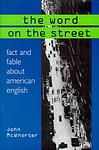
8. The Word On The Street
Debunking the Myth of a Pure Standard English

This insightful exploration delves into the dynamic and ever-evolving nature of language, challenging the traditional views of linguistic purity and correctness. It highlights how everyday speech, often dismissed as slang or colloquial, plays a crucial role in shaping and enriching the English language. By examining various dialects, regionalisms, and the influence of cultural shifts, the book argues for a more inclusive understanding of language as a living, breathing entity that reflects the diversity and creativity of its speakers.
-
9. The Story Of Human Language
An accessible tour of how languages arise, evolve, split, and sometimes die, showing the forces—sound change, analogy, grammaticalization, contact, and creolization—that constantly reshape grammar and vocabulary. It explains language families and typology, the difference between dialects and languages, the role of writing and standardization, and why prescriptivist rules miss the living nature of speech. With vivid examples from around the world, it traces deep histories and areal patterns while forecasting the future of linguistic diversity in an age of globalization.
-
10. Woke Racism
How a New Religion Has Betrayed Black America
This book argues that contemporary race-focused activism has become a dogmatic, religion-like ideology that exaggerates systemic oppression, undermines individual agency, and harms the very communities it claims to help; it critiques identity politics, certain forms of anti-racist training and education, and what the author sees as a punitive moralism, while urging a return to policies and cultural practices that emphasize education, economic opportunity, free speech, and historical nuance as better routes to racial progress.
Purchase from Bookshop.org