Harry G. Frankfurt
Harry G. Frankfurt was an American philosopher known for his work on moral philosophy, particularly his essays on free will and the concept of 'bullshit.' He was a professor emeritus at Princeton University and authored several influential books, including 'On Bullshit' and 'The Importance of What We Care About.'
Books
This list of books are ONLY the books that have been ranked on the lists that are aggregated on this site. This is not a comprehensive list of all books by this author.
-
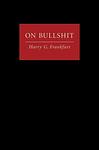
1. On Bullshit
The book explores the concept of "bullshit" as a distinct form of communication that differs from lying. It examines how bullshit is characterized by a lack of concern for the truth, focusing instead on creating a particular impression or achieving a specific goal. The author delves into the philosophical underpinnings of bullshit, analyzing its implications for society and the erosion of genuine discourse. Through a blend of humor and scholarly analysis, the book offers insights into the prevalence of bullshit in contemporary culture and its impact on our understanding of truth and sincerity.
The 17173rd Greatest Book of All TimePurchase from Amazon -
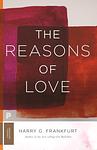
2. The Reasons Of Love
The book explores the philosophical underpinnings of love, arguing that love is a fundamental aspect of human life that shapes our values and motivations. It delves into the nature of love, distinguishing it from mere desires or interests, and posits that love is essential for personal fulfillment and meaning. The author examines how love influences our decisions and priorities, suggesting that it provides a framework for understanding what truly matters to us. Through this exploration, the book offers insights into the role of love in guiding ethical behavior and fostering a sense of purpose.
-
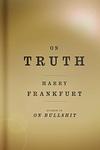
3. On Truth
Short Essays on Truth and Lies
The book explores the concept of truth and its essential role in human life, arguing that truth is fundamental to meaningful communication, trust, and understanding. It delves into the dangers of indifference to truth, highlighting how neglecting truth can lead to deception and manipulation. The author emphasizes the importance of valuing truth for its own sake, rather than merely as a tool for achieving other ends, and critiques the contemporary tendency to dismiss the significance of truth in favor of subjective perspectives. Through philosophical analysis, the book underscores the necessity of truth for personal integrity and societal well-being.
-
4. On Inequality
What It Means to Be a Good Person
The book explores the concept of economic inequality, arguing that the moral focus should not be on the disparity of wealth itself but rather on ensuring that everyone has enough to lead a decent life. The author contends that the obsession with equality can distract from addressing more pressing issues of poverty and need. By emphasizing sufficiency over equality, the book challenges conventional views and suggests that the pursuit of equality for its own sake may not be as morally significant as ensuring that individuals have the resources necessary for well-being.
-
5. The Importance Of What We Care About
Philosophical Essays

This philosophical exploration delves into the nature of human values and the significance of what individuals care about, arguing that our concerns and commitments are central to our identity and moral framework. Through a series of essays, the text examines the intricate relationship between desire, love, and rationality, proposing that the things we care about shape our actions and give meaning to our lives. It challenges readers to reflect on the authenticity of their values and the role these values play in defining personal and ethical integrity.
Purchase from Bookshop.org