Jason F. Stanley
Jason F. Stanley is an American philosopher and professor at Yale University, known for his work in philosophy of language, epistemology, and social and political philosophy. He has written extensively on issues related to propaganda, ideology, and democracy.
Books
This list of books are ONLY the books that have been ranked on the lists that are aggregated on this site. This is not a comprehensive list of all books by this author.
-
1. How Propaganda Works

The book explores the mechanisms and effects of propaganda in democratic societies, arguing that it undermines rational discourse and democratic ideals. It delves into the ways propaganda can manipulate language and emotions to distort truth and influence public opinion, often serving the interests of powerful groups. By examining historical and contemporary examples, the book highlights how propaganda exploits cognitive biases and social divisions, ultimately threatening the integrity of democratic processes. It calls for increased awareness and critical thinking to combat the pervasive influence of propaganda in shaping political and social realities.
-
2. How Fascism Works
The Politics of Us and Them
The book provides an insightful analysis of the mechanisms and tactics used by fascist movements to gain and maintain power. It explores how fascist leaders exploit societal fears, manipulate language, and create divisions to establish an "us versus them" mentality. By examining historical and contemporary examples, the book highlights the use of propaganda, myth-making, and the erosion of truth to undermine democratic institutions and promote authoritarian rule. It serves as a warning about the subtle and overt ways in which fascism can infiltrate societies, urging readers to remain vigilant against these dangerous ideologies.
-
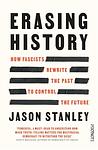
3. Erasing History
In this thought-provoking exploration, the author delves into the complex dynamics of how societies manipulate historical narratives to serve political agendas. Through a series of compelling examples, the book examines the deliberate erasure and alteration of historical events, highlighting the impact on collective memory and identity. It underscores the importance of preserving historical truth and the dangers posed by revisionist practices, urging readers to critically engage with the past to safeguard democratic values and ensure a more informed future.
Purchase from Bookshop.org -
Purchase from Bookshop.org