Terry Eagleton
Terry Eagleton is a prominent British literary theorist and critic known for his work on cultural theory, Marxism, and the role of literature in society. He has authored numerous influential books and essays, contributing significantly to contemporary literary criticism.
Books
This list of books are ONLY the books that have been ranked on the lists that are aggregated on this site. This is not a comprehensive list of all books by this author.
-
1. How To Read Literature
A Critical Introduction
The book offers an insightful exploration into the art of reading and interpreting literature, providing readers with tools to engage critically with texts. It delves into various literary theories and concepts, illustrating how they can be applied to understand the deeper meanings and contexts of literary works. Through a blend of humor and scholarly analysis, the book encourages readers to appreciate the nuances of language, narrative structure, and character development, ultimately enhancing their ability to appreciate and critique literature in a more informed and nuanced manner.
-
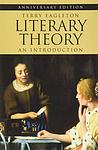
2. Literary Theory
An Introduction
The book provides a comprehensive overview of the evolution and significance of literary theory, examining various critical approaches and their historical contexts. It explores the relationship between literature and ideology, highlighting how different theoretical frameworks, such as structuralism, post-structuralism, Marxism, psychoanalysis, and feminism, have shaped the interpretation and understanding of texts. The work emphasizes the importance of theory in uncovering the underlying power structures and cultural assumptions within literature, while also critiquing the limitations and challenges of each theoretical perspective. Through this exploration, it encourages readers to critically engage with literature and its broader social and political implications.
-
3. The Meaning Of Life
A Very Short Introduction
The book explores the age-old question of the meaning of life through a philosophical lens, examining various perspectives from religion, literature, and modern thought. It delves into how different cultures and thinkers have approached the concept of life's purpose, critiquing simplistic or nihilistic views while advocating for a more nuanced understanding. The author argues for a collective and ethical approach to finding meaning, suggesting that it is deeply connected to human relationships, community, and the pursuit of justice and happiness. Through a blend of wit and scholarly insight, the book encourages readers to reflect on their own beliefs and the broader implications of what it means to live a meaningful life.
-
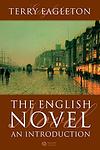
4. The English Novel
An Introduction
This insightful exploration delves into the evolution of the English novel, tracing its development from the 18th century to contemporary times. It examines the socio-political contexts that have shaped the genre, highlighting the interplay between literature and society. The work offers a critical analysis of key authors and their contributions, while also addressing the novel's role in reflecting and challenging cultural norms. Through a blend of historical perspective and literary critique, it provides a comprehensive understanding of the novel's enduring significance in English literature.
-
5. The Gospels

This insightful work delves into the narratives of the four canonical gospels, offering a fresh perspective on their theological, historical, and literary dimensions. The author examines the complex interplay between faith and reason, exploring how these ancient texts continue to resonate in contemporary culture. Through a blend of scholarly analysis and engaging prose, the book invites readers to reconsider the profound impact of these foundational Christian writings, highlighting their enduring relevance and the diverse interpretations they inspire.
-
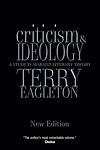
6. Criticism And Ideology
A Study in Marxist Literary Theory
This work delves into the intricate relationship between literary criticism and ideology, exploring how the two influence and shape each other. It examines the role of literature in reflecting and challenging societal norms and power structures, arguing that literary criticism is not just an academic exercise but a political act. Through a Marxist lens, it critiques traditional approaches to literature, advocating for a more critical and socially aware perspective that considers the socio-economic contexts in which texts are produced and consumed.
-
7. Cómo Leer Literatura
Crítica y teoría literaria para todos
This insightful work serves as an engaging guide to understanding and appreciating literature, offering readers a toolkit for analyzing texts with depth and nuance. It delves into the mechanics of literary works, exploring elements such as character, plot, and style, while also addressing broader themes like ideology and cultural context. Through a series of accessible and thought-provoking discussions, the book encourages readers to look beyond the surface of a text and consider the intricate interplay of language, meaning, and interpretation, ultimately enhancing their literary experience.
Purchase from Bookshop.org -
8. Walter Benjamin Or Towards A Revolutionary Criticism
Towards a Revolutionary Criticism
This insightful work delves into the complex and multifaceted ideas of a prominent 20th-century philosopher and cultural critic, exploring his revolutionary approach to criticism. The text examines how his thoughts on art, literature, and society intersect with Marxist theory, offering a nuanced understanding of his intellectual legacy. Through a critical lens, the book highlights the transformative potential of his ideas, emphasizing their relevance in challenging established norms and fostering a deeper engagement with cultural and political discourse.
Purchase from Bookshop.org -
9. The Idea Of Culture
This insightful work delves into the complex and multifaceted concept of culture, examining its evolution and significance in contemporary society. It explores how culture is not merely a static collection of artistic and intellectual achievements but a dynamic and contested arena where power, identity, and ideology intersect. The text challenges traditional notions of culture as a singular, cohesive entity, instead presenting it as a site of struggle and negotiation, influenced by historical, political, and economic forces. Through a critical lens, it invites readers to reconsider the role of culture in shaping human experience and social structures.
Purchase from Bookshop.org -
10. The Ideology Of The Aesthetic
This book delves into the intricate relationship between aesthetics and ideology, exploring how aesthetic theory has been historically intertwined with political and social power structures. It examines the evolution of aesthetic thought from the Enlightenment to the modern era, highlighting how aesthetic values have been used to reinforce or challenge dominant ideologies. Through a critical lens, it scrutinizes the role of art and beauty in shaping cultural and political discourses, ultimately questioning the neutrality of aesthetic judgments and their implications for social justice and human emancipation.
-
11. After Theory
The Death of Theory and the Rise of New Ideas
In this thought-provoking exploration of cultural theory's evolution, the author critiques the state of contemporary theory, arguing that it has become disconnected from the pressing social and political issues of the modern world. The text delves into the history and impact of postmodernism, suggesting that while it once offered valuable insights, it now risks becoming irrelevant. The author calls for a return to grand narratives and a renewed focus on ethics, truth, and the human condition, urging theorists to address the real-world challenges of globalization, inequality, and identity in a meaningful way.
Purchase from Bookshop.org -
12. Marxism And Literary Criticism
This insightful work explores the intricate relationship between Marxist theory and literary criticism, offering a comprehensive analysis of how literature both reflects and influences the socio-economic structures of its time. The text delves into the ways in which literature can serve as a tool for ideological critique, revealing the underlying power dynamics and class struggles embedded within cultural narratives. Through a series of thought-provoking discussions, the book highlights the potential of literature to challenge dominant ideologies and contribute to social change, while also examining the limitations and complexities inherent in applying Marxist theory to literary analysis.
Purchase from Bookshop.org -
13. Why Marx Was Right
A concise, popular defense of Marxist thought that answers common objections—such as claims of economic determinism, inevitable authoritarianism, and historical irrelevance—and argues that Marx’s critique of capitalism, class, alienation, and exploitation still illuminates contemporary social and economic injustices; written in plain language, it combines historical explanation, philosophical clarification, and moral argument to show how Marxist ideas can inform democratic, emancipatory politics today.
Purchase from Bookshop.org -
14. Humour
This short study examines the nature and social functions of humour, surveying classical and modern theories—incongruity, relief and superiority—while showing how laughter can both police and subvert power. It treats humour as ambivalent: capable of radical critique and humanizing insight, yet also of cruelty and conservative reinforcement depending on context and audience. Drawing on literature, philosophy, psychoanalysis and cultural history, it maps forms from the joke and satire to the grotesque and comic and argues that humour is central to human life and ideological struggle.
Purchase from Bookshop.org