Thomas F. Arnold
Books
This list of books are ONLY the books that have been ranked on the lists that are aggregated on this site. This is not a comprehensive list of all books by this author.
-
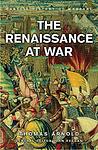
1. The Renaissance At War
The book provides a comprehensive analysis of how warfare evolved during the Renaissance period, highlighting the interplay between military innovations and broader societal changes. It explores the transformation in tactics, technology, and organization of armies, emphasizing the impact of gunpowder, the rise of professional standing armies, and the shifting political landscapes of Europe. The narrative delves into the influence of Renaissance culture on military practices and the reciprocal effect of warfare on the social and political fabric of the time, offering insights into how these developments laid the groundwork for modern warfare.
-
2. Observations On The Nature, Kinds, Causes And Prevention Of Insanity, Lunacy Or Madness

This insightful work delves into the complexities of mental health, exploring the various forms and underlying causes of insanity, lunacy, and madness. It offers a comprehensive examination of the psychological and physiological factors contributing to mental disorders, while also discussing potential preventative measures. The book aims to demystify mental illness, providing a compassionate perspective that challenges prevailing misconceptions and encourages a more informed and empathetic approach to mental health care.
Purchase from Bookshop.org -
3. Negotiating The Landscape
Perceptions and Representations of the New World in Early Modern England
Set against the backdrop of the early modern period, this insightful exploration delves into the intricate relationship between humans and their environment, focusing on how landscapes were not only shaped by natural forces but also by human intervention and negotiation. The narrative weaves through various historical contexts, illustrating how landscapes served as arenas for social, economic, and political interactions. Through a blend of historical analysis and vivid storytelling, the book reveals the dynamic interplay between nature and culture, offering a nuanced understanding of how landscapes have been both a stage for human activity and a reflection of societal values.