Julia Annas
Julia Annas is a prominent philosopher known for her work in ancient philosophy, particularly on Plato and Aristotle. She has contributed significantly to the understanding of ancient ethical theories and their relevance to modern philosophical thought.
Books
This list of books are ONLY the books that have been ranked on the lists that are aggregated on this site. This is not a comprehensive list of all books by this author.
-
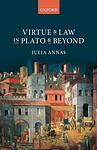
1. Virtue And Law In Plato And Beyond
The Virtuous Life and the Law
The book explores the intricate relationship between virtue and law in the philosophical works of Plato and extends the discussion to later philosophical traditions. It examines how Plato's ideas about virtue inform his understanding of law and governance, emphasizing the role of moral character in the functioning of a just society. The author delves into the ways in which these concepts have been interpreted and adapted by subsequent thinkers, highlighting the enduring influence of Platonic thought on the development of ethical and legal theory. Through a detailed analysis, the book sheds light on the dynamic interplay between individual morality and societal regulations.
-
2. Plato
A Very Short Introduction
The book provides an accessible introduction to the philosophy of Plato, exploring his ideas and their impact on Western thought. It delves into Plato's key concepts, such as the theory of forms, the nature of the soul, and the role of the philosopher in society. The author examines Plato's dialogues, highlighting their literary and philosophical significance, and discusses how his work addresses fundamental questions about reality, knowledge, and ethics. Through this exploration, the book offers insights into Plato's enduring influence on philosophy and his relevance to contemporary discussions.
-
3. An Introduction To Plato's Republic
The book provides a comprehensive analysis of Plato's "Republic," exploring its central themes, philosophical arguments, and the context in which it was written. It delves into the dialogue's exploration of justice, the ideal state, and the philosopher-king concept, while also examining the work's structure and literary style. The author aims to make the complex ideas accessible to readers, offering insights into Plato's intentions and the enduring significance of his work in the realm of philosophy. Through a detailed examination, the book serves as a guide for understanding the profound impact of the "Republic" on Western thought.
-
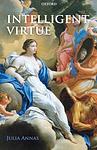
4. Intelligent Virtue
The book explores the concept of virtue through the lens of practical intelligence, arguing that virtues are not just habits or traits but are akin to skills that require practice and understanding. It emphasizes the dynamic and developmental nature of virtue, suggesting that living virtuously involves a continuous process of learning and adapting. The author draws parallels between acquiring virtues and mastering complex skills, highlighting the importance of experience and context in moral development. By integrating insights from ancient philosophy with contemporary thought, the book offers a fresh perspective on how virtues contribute to a fulfilling and meaningful life.
-
5. Ancient Philosophy
A Very Short Introduction
This insightful exploration delves into the rich tapestry of ancient philosophical thought, tracing its evolution from the pre-Socratic era through to the Hellenistic period. The narrative examines the foundational ideas and arguments posed by seminal thinkers such as Socrates, Plato, and Aristotle, while also considering the broader cultural and historical contexts that shaped their philosophies. By highlighting the enduring relevance of these ancient ideas, the book invites readers to reflect on the timeless questions of existence, ethics, and knowledge, offering a comprehensive yet accessible overview of the intellectual legacy that continues to influence contemporary thought.