Christine M. Korsgaard
Christine M. Korsgaard is a prominent American philosopher known for her work in moral philosophy and her interpretations of Kantian ethics. She has contributed significantly to discussions on the nature of moral obligation and the role of self-constitution in ethical theory.
Books
This list of books are ONLY the books that have been ranked on the lists that are aggregated on this site. This is not a comprehensive list of all books by this author.
-
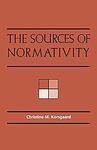
1. The Sources Of Normativity
The Tanner Lectures on Human Values
The book explores the foundations of moral philosophy by examining the sources from which moral obligations and norms derive their authority. It delves into various philosophical traditions, including Kantian ethics, utilitarianism, and constructivism, to understand how individuals come to recognize and commit to moral duties. The work argues for a constructivist approach, suggesting that normativity arises from the reflective endorsement of principles that we, as rational agents, impose upon ourselves. Through this lens, it seeks to reconcile the subjective nature of moral reasoning with the objective demands of ethical life.
-
2. Hvis Det Skulle Komme Et Menneske

In this thought-provoking exploration of human existence, the narrative delves into the philosophical questions surrounding what it means to be human. Through a series of introspective reflections and hypothetical scenarios, the book challenges readers to consider the ethical implications of human actions and the inherent responsibilities that come with consciousness and self-awareness. It invites a deep contemplation on the nature of morality, the essence of identity, and the interconnectedness of all living beings, urging a reevaluation of the values that guide our lives.
-
3. Hvis Der Skulle Komme Et Menneske Forbi
Set in a small Danish town, this poignant narrative delves into the intricacies of human connection and the profound impact of seemingly ordinary encounters. Through the eyes of a young girl, the story unfolds as she navigates the complexities of family dynamics, personal growth, and the subtle yet powerful influence of those who cross her path. With a keen sense of empathy and introspection, the narrative captures the essence of life's fleeting moments and the enduring bonds that shape our existence.
-
4. Self Constitution
Agency, Identity, and Integrity
It argues that persons are not pre-given entities but are constituted through the commitments, choices, and practical identities that give their lives unity; by endorsing ends and acting on reasons we effectively become the authors of our own agency. Working within a Kantian constructivist framework, it holds that moral requirements and integrity arise from the structure of practical reason and from the need for coherence among the roles and values through which we identify ourselves. The book brings together metaphysical, normative, and practical concerns to explain how autonomy, identity, and moral obligation are interrelated and how integrity is maintained or lost when commitments conflict.
Purchase from Bookshop.org