Leon Krier
Leon Krier is a prominent Luxembourgish architect, architectural theorist, and urban planner known for his advocacy of traditional architecture and urbanism. He has been influential in the New Urbanism movement and has written extensively on the subject, promoting human-scale development and criticizing modernist architecture.
Books
This list of books are ONLY the books that have been ranked on the lists that are aggregated on this site. This is not a comprehensive list of all books by this author.
-
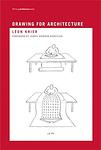
1. Drawing For Architecture
This insightful book delves into the art of architectural drawing, emphasizing its vital role in the design process. It offers a comprehensive exploration of how drawing serves as a fundamental tool for architects to conceptualize, communicate, and refine their ideas. Through a series of illustrations and examples, the book highlights the importance of drawing in understanding spatial relationships, proportions, and the essence of architectural forms. It encourages readers to embrace drawing as a means of fostering creativity and precision in architectural practice, bridging the gap between imagination and reality.
-
2. Albert Speer
Architecture 1932-1942

This insightful exploration delves into the life and work of one of the most controversial architects of the 20th century, examining his role in the Nazi regime and his architectural legacy. The narrative provides a nuanced portrayal of his complex personality, highlighting the moral and ethical dilemmas he faced while working under Adolf Hitler. Through a detailed analysis of his designs and urban planning projects, the book offers a critical perspective on how architecture can be manipulated for political purposes, raising questions about the responsibility of architects in shaping society.
Purchase from Bookshop.org -
3. Urban Space
Rational Architecture and the Density of the City
This insightful work delves into the intricacies of urban design, advocating for a return to traditional city planning principles that prioritize human scale and community interaction. It critiques modernist approaches that often lead to fragmented and impersonal urban environments, proposing instead a cohesive vision where architecture and urban spaces are harmoniously integrated. Through a series of essays and illustrations, the book emphasizes the importance of creating vibrant, sustainable cities that foster social connections and enhance the quality of life for their inhabitants.
Purchase from Bookshop.org -
4. The Architecture Of Community
This insightful work delves into the principles of traditional urbanism, advocating for a return to human-scale, walkable communities that foster social interaction and environmental sustainability. It critiques the modernist planning paradigms that have led to sprawling, car-dependent cities, and instead champions a holistic approach to urban design that integrates architecture, public spaces, and community life. Through a blend of theoretical discourse and practical examples, the book offers a compelling vision for creating vibrant, livable neighborhoods that prioritize the well-being of their inhabitants.
Purchase from Bookshop.org