Donald A. Norman
Donald Arthur Norman is an American researcher, professor, and author known for his work in the fields of design, usability engineering, and cognitive science. He is best known for his books on design, including 'The Design of Everyday Things' and 'Emotional Design.' Norman has been a strong advocate for user-centered design and has contributed significantly to the understanding of how people interact with technology and everyday objects.
Books
This list of books are ONLY the books that have been ranked on the lists that are aggregated on this site. This is not a comprehensive list of all books by this author.
-
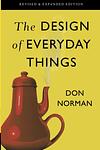
1. The Design Of Everyday Things
The book explores the principles of user-centered design, emphasizing the importance of creating products that are intuitive and easy to use. It delves into the psychology behind how people interact with objects, highlighting common design flaws that lead to user frustration. By examining everyday items, the author illustrates how thoughtful design can enhance usability and satisfaction. The book advocates for a design approach that prioritizes the needs and experiences of users, encouraging designers to consider functionality, visibility, and feedback to improve the overall interaction between people and technology.
-
2. The Design Of Future Things

In this insightful exploration of the evolving relationship between humans and technology, the author delves into the intricacies of designing intelligent machines that can seamlessly integrate into our daily lives. The book emphasizes the importance of creating user-friendly interfaces and systems that anticipate human needs while minimizing frustration and errors. Through a series of engaging examples and thought-provoking discussions, it highlights the potential pitfalls of poorly designed technology and advocates for a future where machines enhance human capabilities without overwhelming them.
Purchase from Bookshop.org -
3. Design For A Better World
Meaningful, Sustainable, Humanity-Centered
In this insightful exploration of design's potential to shape a more sustainable and equitable future, the author delves into the profound impact that thoughtful design can have on society and the environment. The book emphasizes the importance of human-centered design principles, advocating for solutions that prioritize the well-being of individuals and communities while addressing global challenges such as climate change and social inequality. Through a blend of theory, real-world examples, and practical guidance, the narrative inspires designers, policymakers, and everyday citizens to harness the power of design to create a world that is not only functional but also compassionate and just.
Purchase from Bookshop.org -
4. Emotional Design
Why We Love (or Hate) Everyday Things
This insightful work delves into the intricate relationship between emotions and design, exploring how aesthetics and user experience significantly impact our interaction with everyday objects. It argues that emotional responses to design are just as crucial as functionality, influencing our perceptions, satisfaction, and overall experience. By examining the interplay between visceral, behavioral, and reflective levels of emotional design, the book provides a comprehensive framework for understanding how products can evoke positive emotions, enhance usability, and foster deeper connections with users. Through engaging examples and practical insights, it challenges designers to consider the emotional dimensions of their creations, ultimately advocating for a more empathetic and human-centered approach to design.
Purchase from Bookshop.org -
5. Living With Complexity
Bringing Order to Chaos
In this insightful exploration of the intricacies of modern life, the author delves into the nature of complexity and its essential role in our everyday experiences. Rather than viewing complexity as a hindrance, the book argues that it can be an asset when properly understood and managed. It emphasizes the importance of design in making complex systems more intuitive and user-friendly, highlighting how thoughtful design can transform complexity into an enriching and engaging experience. Through a blend of real-world examples and theoretical insights, the book offers a fresh perspective on how to navigate and embrace the multifaceted world around us.
Purchase from Bookshop.org