Pope Francis
Pope Francis, born Jorge Mario Bergoglio, is the 266th pope of the Roman Catholic Church. He was elected in March 2013 and is known for his humility, emphasis on God's mercy, concern for the poor, and commitment to interfaith dialogue. He is the first pope from the Americas and the first Jesuit pope.
Books
This list of books are ONLY the books that have been ranked on the lists that are aggregated on this site. This is not a comprehensive list of all books by this author.
-
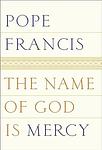
1. The Name Of God Is Mercy
A Conversation with Andrea Tornielli
In this heartfelt exploration of divine compassion, the author delves into the profound significance of mercy as the cornerstone of faith and human connection. Through a series of candid conversations and reflections, the narrative emphasizes the transformative power of forgiveness and understanding in a world often marred by judgment and alienation. The text invites readers to embrace mercy as a guiding principle, encouraging a deeper empathy and solidarity with those who are marginalized and suffering, ultimately highlighting the boundless love and grace that can be found in acts of kindness and acceptance.
-
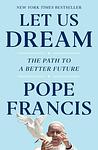
2. Let Us Dream
The Path to a Better Future
In this thought-provoking work, the author invites readers to reflect on the challenges and opportunities presented by global crises, urging a collective reimagining of society rooted in compassion and solidarity. Through a series of personal anecdotes and reflections, the narrative explores the transformative power of adversity, advocating for a more inclusive and empathetic world. The text emphasizes the importance of listening to marginalized voices and taking decisive action to address systemic injustices, offering a hopeful vision for a future where humanity can thrive through unity and shared purpose.
-
3. Fratelli Tutti
On Fraternity and Social Friendship

An appeal for global social friendship and solidarity that urges shaping politics, economics, and communities around human dignity and the common good, calling for care for the marginalized and migrants. It critiques individualism, consumerism, and exclusionary nationalism, promotes dialogue, nonviolence, and mutual responsibility, and offers ethical and spiritual reflections on how societies can pursue peace, inclusion, and cooperative solutions to contemporary social and political challenges.
Purchase from Bookshop.org