Martin Gilbert
Martin Gilbert was a renowned British historian and author, best known for his extensive works on Winston Churchill and the Holocaust. He was a prolific writer, having authored numerous books on 20th-century history, and served as the official biographer of Winston Churchill.
Books
This list of books are ONLY the books that have been ranked on the lists that are aggregated on this site. This is not a comprehensive list of all books by this author.
-
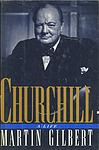
1. Churchill
A Life
This comprehensive biography delves into the life and legacy of one of the 20th century's most iconic leaders, chronicling his journey from a young soldier and war correspondent to his pivotal role as Britain's Prime Minister during World War II. The narrative explores his indomitable spirit, strategic brilliance, and the personal challenges he faced, offering a nuanced portrayal of a complex figure whose decisions shaped the course of history. Through meticulous research and vivid storytelling, the book provides an insightful look into the political and personal dimensions of a man whose influence extended far beyond his time.
The 17152nd Greatest Book of All TimePurchase from Bookshop.org or Amazon -
2. The Holocaust
A History of the Jews of Europe During the Second World War
This comprehensive historical account meticulously chronicles the systematic persecution and annihilation of six million Jews during World War II, exploring the origins, implementation, and aftermath of the Holocaust. Through a detailed examination of Nazi policies, personal testimonies, and archival documents, the narrative delves into the harrowing experiences of victims and survivors, while also shedding light on the broader impact of this atrocity on the world. The book serves as a poignant reminder of the depths of human cruelty and the enduring importance of remembrance and education to prevent future genocides.
The 17152nd Greatest Book of All TimePurchase from Bookshop.org or Amazon -
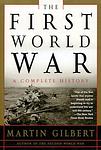
3. The First World War
A Complete History
This comprehensive narrative delves into the complexities and vast scope of the global conflict that erupted in 1914, exploring the political, military, and human dimensions of the war. It meticulously chronicles the events that led to the outbreak, the major battles and strategies employed by the warring nations, and the profound impact on soldiers and civilians alike. Through detailed accounts and personal stories, the book paints a vivid picture of the war's brutality and the enduring legacy it left on the world, offering insights into the geopolitical shifts and the reshaping of national boundaries that followed.
-
4. Atlas Of The Holocaust
An Historical Atlas

This comprehensive work provides a detailed visual and narrative account of the Holocaust, tracing the harrowing journey of Jewish communities across Europe from the rise of Nazi power to the aftermath of World War II. Through meticulously crafted maps and historical commentary, it illustrates the systematic persecution, deportation, and extermination of millions, offering a poignant and educational exploration of one of history's darkest periods. The atlas serves as both a memorial and a scholarly resource, ensuring that the stories and lessons of the Holocaust remain accessible to future generations.
Purchase from Bookshop.org -
5. The Second World War
A comprehensive, chronologically structured account of the global conflict that examines the political origins, strategic decisions, major battles and campaigns across Europe, Africa and the Pacific, and the diplomatic and social dimensions of the war; it also documents the Holocaust and civilian suffering, the economic and industrial mobilization on the home fronts, and the war’s human and geopolitical consequences that reshaped the postwar world.
Purchase from Bookshop.org -
6. Israel
A History
A comprehensive narrative history that traces the origins and development of the Jewish state from Zionist roots and Ottoman and British rule through the 1948 war of independence, the major Arab–Israeli conflicts (including 1956, 1967 and 1973), and later peace initiatives and setbacks. Blending diplomatic, military and political reportage with biographical sketches of key leaders, the book examines the impact of the Holocaust, waves of immigration, nation-building, and economic and social change while documenting contentious issues such as territory, refugees, settlements and relations with neighboring states. Its chronological, evidence-based approach seeks to explain both the achievements and the enduring challenges that have shaped Israeli society and its place in the world.
Purchase from Bookshop.org