Scott Anderson
Scott Anderson is an American author and journalist known for his works on war and conflict, including 'Lawrence in Arabia' and 'The Quiet Americans'.
Books
This list of books are ONLY the books that have been ranked on the lists that are aggregated on this site. This is not a comprehensive list of all books by this author.
-
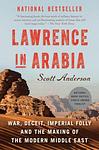
1. Lawrence In Arabia
War, Deceit, Imperial Folly and the Making of the Modern Middle East
Set against the backdrop of World War I, this gripping narrative delves into the complex and often clandestine operations in the Middle East, focusing on the enigmatic figure of T.E. Lawrence. It explores the intricate web of espionage, political maneuvering, and cultural clashes that shaped the Arab Revolt and the eventual reshaping of the region. Through the intertwining stories of four key figures, the book unveils the profound impact of their actions on the geopolitical landscape, offering a vivid portrayal of ambition, betrayal, and the quest for power in a turbulent era.
-
2. The Quiet Americans
Four CIA Spies at the Dawn of the Cold War—A Tragedy in Three Acts

Set against the backdrop of the early Cold War era, this gripping narrative delves into the clandestine operations of four American spies who played pivotal roles in shaping the geopolitical landscape. Through their eyes, readers are taken on a journey from the ruins of post-World War II Europe to the volatile hotspots of the Middle East and Southeast Asia. The story intricately weaves personal sacrifices, moral dilemmas, and the shadowy world of espionage, revealing how these individuals navigated the complex web of international intrigue and the ethical quandaries of their covert missions.
Purchase from Bookshop.org -
3. The Psychobiotic Revolution
Mood, Food, and the New Science of the Gut-Brain Connection
This book explains how the gut microbiome influences brain function and mental health, reviewing research that links gut bacteria to mood, anxiety, stress resilience, and cognition through the gut–brain axis (immune signaling, neurotransmitter production, and the vagus nerve). It surveys studies of probiotics, prebiotics, diet, and fecal transplants as potential treatments, highlights promising findings and translational challenges, and stresses practical lifestyle approaches while cautioning that much of the evidence is early-stage and likely to require personalized interventions.
-
4. Zerbrochene Länder
A sweeping narrative that traces the unravelling of the modern Arab world, showing how decades of authoritarian rule, tribal and sectarian fault lines, and foreign interventions—most notably the Iraq War and the Arab uprisings—set off a cascade of revolutions, civil wars and the rise of extremist groups. Through on-the-ground reporting and profiles of key political and military figures, it links decisions from capitals across the region to explain how borders and institutions broke down, displacing millions and redrawing regional power dynamics. The book argues that a combination of local grievances, ill-fated policies and rivalries among regional and global powers produced the fragmented, violent landscape seen today.
-
Purchase from Bookshop.org