Dina Nayeri
Dina Nayeri is an Iranian-American author known for her novels and essays that often explore themes of identity, immigration, and the refugee experience. Her works include 'Refuge' and 'The Ungrateful Refugee,' which have received critical acclaim for their insightful and poignant storytelling.
Books
This list of books are ONLY the books that have been ranked on the lists that are aggregated on this site. This is not a comprehensive list of all books by this author.
-
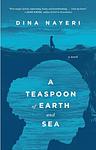
1. A Teaspoon Of Earth And Sea
Set against the backdrop of post-revolutionary Iran, this poignant narrative follows the life of Saba Hafezi, a young girl whose twin sister, Mahtab, mysteriously disappears along with their mother. Left behind with her father, Saba clings to the hope that her sister has fled to America, a land of freedom and opportunity. As she navigates the complexities of growing up in a society marked by political and cultural upheaval, Saba's vivid imagination and storytelling become her refuge. Through her tales, she weaves an alternate reality where she and Mahtab live parallel lives, exploring themes of identity, loss, and the enduring power of dreams.
-
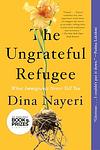
2. The Ungrateful Refugee
What Immigrants Never Tell You
This compelling memoir weaves together the author's personal journey as a refugee with the broader narratives of displaced individuals seeking asylum across the globe. It delves into the complexities of identity, belonging, and the often harsh realities faced by those who are forced to flee their homelands. Through a blend of poignant storytelling and insightful analysis, the narrative challenges prevailing stereotypes and highlights the resilience, courage, and humanity of refugees, urging readers to reconsider their perceptions and the societal structures that impact these vulnerable communities.
-
3. Who Gets Believed?
When the Truth Isn't Enough

In this thought-provoking exploration, the narrative delves into the complex dynamics of belief and credibility, examining how societal biases and personal narratives shape who is deemed trustworthy. Through a blend of personal anecdotes, historical accounts, and cultural analysis, the book challenges readers to reconsider the criteria by which we judge truthfulness and the impact of these judgments on marginalized communities. It offers a compelling critique of the systems that determine whose stories are validated and whose are dismissed, urging a more empathetic and equitable approach to understanding and believing others.
Purchase from Bookshop.org