Peter Stark
Books
This list of books are ONLY the books that have been ranked on the lists that are aggregated on this site. This is not a comprehensive list of all books by this author.
-
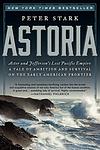
1. Astoria
John Jacob Astor and Thomas Jefferson's Lost Pacific Empire: A Story of Wealth, Ambition, and Survival
Set in the early 19th century, this gripping historical narrative chronicles the ambitious and perilous expedition to establish a Pacific fur trading empire. The story follows a diverse group of adventurers, including trappers, sailors, and Native Americans, as they embark on a treacherous journey from New York to the uncharted wilderness of the Pacific Northwest. Facing harsh weather, starvation, and hostile encounters, the expedition members endure unimaginable hardships in their quest to create a new settlement. This tale of courage, resilience, and survival captures the spirit of exploration and the relentless pursuit of the American dream.
The 17153rd Greatest Book of All TimePurchase from Amazon -
2. Fruitloops & Dipsticks
Stories from the Wrong Side of the Road

In this humorous and insightful exploration of human behavior, the narrative delves into the quirky and often irrational actions that define our everyday lives. Through a series of entertaining anecdotes and observations, the book highlights the peculiarities of human nature, from our obsession with trivial matters to the bizarre rituals we engage in without question. With a light-hearted yet thought-provoking tone, it invites readers to reflect on the absurdities of modern life and the underlying motivations that drive our seemingly nonsensical decisions.
-
3. When Strangers Meet
How People You Don't Know Can Transform You
In this insightful exploration of human interaction, the narrative delves into the transformative power of spontaneous encounters with strangers. Through a series of engaging anecdotes and thoughtful analysis, the book reveals how these seemingly random meetings can break down barriers, foster empathy, and enrich our lives in unexpected ways. It challenges readers to embrace the unpredictability of such interactions, highlighting the potential for personal growth and the deep connections that can emerge from the simplest of exchanges.
-
4. The Rise Of Christianity
How the Obscure, Marginal Jesus Movement Became the Dominant Religious Force in the Western World in a Few Centuries
This book explores the remarkable growth and spread of Christianity from a small Jewish sect to a dominant religious force in the Roman Empire. It delves into the social, cultural, and historical factors that contributed to its rapid expansion, examining the role of early Christian communities, the appeal of its message, and the strategic use of existing networks and infrastructure. The narrative provides insights into how Christianity's inclusive nature, ethical teachings, and organizational structure helped it thrive amidst adversity and persecution, ultimately reshaping the religious landscape of the ancient world.
-
5. How The West Won
The Neglected Story of the Triumph of Modernity
This compelling narrative explores the pivotal moments and key figures that shaped the expansion and dominance of Western civilization. It delves into the historical, cultural, and technological advancements that propelled the West to global prominence, examining the interplay of ideas, innovations, and conflicts that defined its trajectory. Through a detailed analysis of significant events and influential personalities, the book offers a comprehensive understanding of how Western societies evolved and the lasting impact of their achievements on the modern world.
-
7. The Consolations Of Mortality
Making Sense of Death and Dying
In this thought-provoking exploration, the narrative delves into the profound and often overlooked relationship between humans and their inevitable mortality. Through a blend of historical anecdotes, philosophical reflections, and personal insights, the text examines how different cultures and individuals have grappled with the concept of death. It offers a comforting perspective on the end of life, suggesting that embracing our mortality can lead to a more meaningful and enriched existence. The work encourages readers to confront their fears and find solace in the shared human experience of life's finite nature.
-
8. God's Battalions
The Case for the Crusades
This historical narrative challenges the prevailing view of the Crusades as a series of unprovoked attacks by Western Christians on the Muslim world. It delves into the complex socio-political and religious contexts of the time, arguing that the Crusades were, in part, a defensive response to centuries of Muslim conquests and expansion into traditionally Christian territories. The book provides a detailed examination of the motivations, battles, and key figures involved, offering a fresh perspective on this tumultuous period in history.
-
9. Discovering God
In this thought-provoking exploration, the author embarks on a profound journey to unravel the complexities of faith and spirituality, delving into the diverse ways humanity has sought to understand the divine throughout history. Through a blend of personal anecdotes, historical analysis, and philosophical inquiry, the narrative weaves a tapestry of religious experiences, highlighting the universal quest for meaning and connection. The book invites readers to reflect on their own beliefs and the myriad paths that lead to a deeper understanding of the sacred, encouraging an open-minded approach to the mysteries of existence.
-
10. Don't Go Back To School
This insightful guide challenges the traditional notion of formal education as the only path to knowledge and success. It explores alternative learning methods, emphasizing self-directed education, online resources, and community engagement. The book provides practical advice and real-life examples of individuals who have thrived without conventional schooling, encouraging readers to take control of their learning journey and pursue their passions outside the confines of traditional academic institutions.
-
13. Bel Canto
In an unnamed South American country, a lavish birthday party for a wealthy industrialist is seized by a small group of guerrillas, and the ensuing hostage crisis becomes an extended, intimate confinement where a celebrated opera singer’s performances unexpectedly bridge the gap between captors and captives; over months of shared space, friendships, quiet romances, and human vulnerabilities emerge, exposing the power of art to transcend language and politics while revealing moral ambiguities and tragic consequences that linger beyond the siege.