Mike Davis
Mike Davis was an American writer, historian, and political activist known for his works on urban theory, social justice, and environmental issues. He authored several influential books, including 'City of Quartz' and 'Ecology of Fear', which explore the complexities of urban life and the socio-political dynamics of cities.
Books
This list of books are ONLY the books that have been ranked on the lists that are aggregated on this site. This is not a comprehensive list of all books by this author.
-
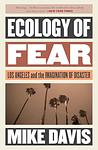
1. Ecology Of Fear
Los Angeles and the Imagination of Disaster
Set against the backdrop of Southern California, this compelling narrative delves into the region's natural and man-made disasters, exploring how they intertwine with urban development and societal fears. The book examines the historical and contemporary impacts of wildfires, earthquakes, floods, and other calamities, revealing how these events shape public perception and policy. Through a blend of historical analysis and environmental critique, it highlights the tension between human ambition and nature's unpredictable forces, offering a thought-provoking perspective on the vulnerabilities of modern urban life.
The 6301st Greatest Book of All TimePurchase from Bookshop.org or Amazon -
2. City Of Quartz
Excavating the Future in Los Angeles
This compelling exploration delves into the social, economic, and political landscape of Los Angeles, unraveling the city's complex history and its transformation into a sprawling urban metropolis. Through a critical lens, it examines the forces of capitalism, urban planning, and racial tensions that have shaped the city's development, highlighting the stark contrasts between wealth and poverty, power and disenfranchisement. The narrative paints a vivid picture of a city marked by ambition and inequality, offering a thought-provoking analysis of its past, present, and potential future.
-
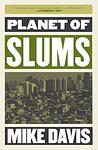
3. Planet Of Slums
Urban Involution and the Informal Working Class
This insightful work delves into the rapid urbanization of the developing world, highlighting the explosive growth of slums and the socio-economic challenges they present. It examines the historical and political factors contributing to this phenomenon, emphasizing the stark contrast between the affluent and the impoverished. The narrative paints a vivid picture of the living conditions within these sprawling urban areas, exploring the resilience and ingenuity of their inhabitants while critiquing the systemic failures that perpetuate inequality and poverty on a global scale.
Purchase from Bookshop.org -
4. Late Victorian Holocausts
El Niño Famines and the Making of the Third World

This compelling work delves into the devastating famines that struck India, China, and Brazil during the late 19th century, examining the intricate interplay between colonialism, climate phenomena, and economic policies. It argues that the catastrophic impact of these famines was exacerbated by the imperial powers' exploitative practices and the global capitalist system, which prioritized profit over human life. By weaving together historical narratives and scientific analysis, the book highlights the tragic consequences of imperial neglect and the enduring legacy of these events on the affected regions.
Purchase from Bookshop.org -
5. Set The Night On Fire
L.A. in the Sixties
Set in the vibrant and tumultuous landscape of 1960s Los Angeles, this book delves into the city's radical history, exploring the social movements that shaped its cultural and political fabric. It paints a vivid picture of the era's activism, from civil rights struggles to anti-war protests, highlighting the diverse voices and communities that fought for justice and equality. Through meticulous research and compelling narratives, the book captures the spirit of resistance and the enduring impact of these transformative years on the city's identity.
-
6. Prisoners Of The American Dream
Politics and Economy in the History of the US Working Class
A sharp, historically grounded critique that traces why the U.S. working class never coalesced into a sustained radical alternative: political institutions, legal frameworks, and a powerful ideology of individualism and the “American Dream,” together with racial divisions, immigrant fragmentation, and the conservative incorporation of unions into party politics, repeatedly diverted labor into reformism and accommodation to capital rather than revolutionary challenge, producing a labor movement shaped and constrained by the nation’s political culture and economic structures.
Purchase from Bookshop.org