Paul Tough
Paul Tough is an author and journalist known for his work on education, child development, and poverty. He has written several books exploring these themes, including 'How Children Succeed' and 'Helping Children Succeed'.
Books
This list of books are ONLY the books that have been ranked on the lists that are aggregated on this site. This is not a comprehensive list of all books by this author.
-
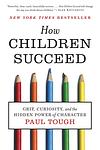
1. How Children Succeed
Grit, Curiosity, and the Hidden Power of Character
This insightful book challenges the conventional wisdom that academic success is solely determined by cognitive skills and intelligence. It delves into the importance of character traits such as grit, curiosity, and resilience in shaping a child's future. Through a blend of scientific research and compelling narratives, it explores how these non-cognitive skills can be cultivated and how they significantly impact a child's ability to overcome adversity and achieve success. The book emphasizes the role of supportive environments and relationships in nurturing these traits, offering a fresh perspective on education and child development.
The 8929th Greatest Book of All TimePurchase from Amazon -
2. Solo
The Extraordinary Life of an Ordinary Man

In this compelling exploration of resilience and self-discovery, the narrative delves into the journey of a young individual navigating the complexities of life alone. Through a series of challenges and introspective moments, the protagonist learns to harness inner strength and adaptability, ultimately finding a sense of purpose and belonging. The story intricately weaves themes of independence, personal growth, and the transformative power of solitude, offering readers a profound reflection on the human spirit's capacity to thrive amidst adversity.
-
3. Helping Children Succeed
What Works and Why
Synthesizing neuroscience, social-science research, and on-the-ground program examples, the book argues that children’s success depends as much on character and executive-function skills (self-control, persistence, curiosity) as on IQ, and that poverty and toxic stress erode those capacities; it calls for early, targeted supports for families and schools, practical interventions to build noncognitive skills and reduce stress, and policy shifts to scale evidence-based, whole-child approaches that foster resilience and long-term opportunity.
Purchase from Bookshop.org