Kate Clanchy
Kate Clanchy is a British writer, teacher, and poet known for her work in education and literature. She has received acclaim for her poetry and prose, and has been involved in projects that encourage creative writing in schools.
Books
This list of books are ONLY the books that have been ranked on the lists that are aggregated on this site. This is not a comprehensive list of all books by this author.
-
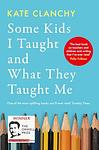
1. Some Kids I Taught And What They Taught Me
A Memoir of Teaching and Learning
This insightful memoir delves into the transformative experiences of a seasoned teacher working in diverse and often challenging educational environments. Through a series of poignant anecdotes, the narrative explores the profound impact that students have on their educators, revealing lessons of resilience, empathy, and the power of storytelling. The book highlights the unique voices and perspectives of young people from various backgrounds, illustrating how their stories can inspire change and foster a deeper understanding of the world. It is a heartfelt tribute to the reciprocal nature of teaching and learning, celebrating the unexpected wisdom and growth that emerge from the classroom.
The 17152nd Greatest Book of All TimePurchase from Amazon -
2. From Memory To Written Record

This insightful work delves into the transformative period in medieval England when society shifted from oral traditions to a culture increasingly reliant on written documentation. It explores the social, political, and technological factors that facilitated this transition, examining how literacy began to permeate various aspects of life, from legal proceedings to personal correspondence. The narrative highlights the profound impact of this change on communication, record-keeping, and the dissemination of knowledge, offering a nuanced understanding of how written records began to shape the medieval world.
-
3. Some Kids I Taught & What They Taught Me
A teacher-poet reflects on years in British classrooms, sharing vivid portraits of students from many cultures and circumstances whose resilience, humor, and creativity challenge her assumptions and reshape her practice. Through candid, often funny and moving anecdotes—especially about poetry workshops—she explores inequality, immigration, trauma, and the pressures of education policy, arguing for the transformative power of attentive listening, humane discipline, and imaginative language. The result is a compassionate, sharply observed meditation on how young people change their teachers as much as the reverse.