Marie Colvin
Marie Colvin was a renowned American journalist known for her fearless reporting in conflict zones around the world. She worked as a foreign affairs correspondent for The Sunday Times from 1985 until her death in 2012, covering wars in countries such as Syria, Chechnya, Kosovo, Sierra Leone, Zimbabwe, and East Timor. Colvin was celebrated for her courage and dedication to journalism, often risking her life to bring stories from the front lines to the global audience.
Books
This list of books are ONLY the books that have been ranked on the lists that are aggregated on this site. This is not a comprehensive list of all books by this author.
-
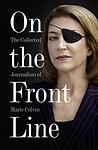
1. On The Front Line
The Collected Journalism of Marie Colvin
This compelling collection of dispatches offers a gripping insight into the life and work of a fearless war correspondent who dedicated her career to reporting from the world's most dangerous conflict zones. Through vivid and harrowing accounts, the narrative captures the raw realities of war, the resilience of the human spirit, and the profound impact of witnessing history unfold. With a keen eye for detail and an unwavering commitment to truth, the stories reflect the courage and compassion of a journalist who risked everything to give a voice to the voiceless and shed light on the darkest corners of the globe.
The 17169th Greatest Book of All TimePurchase from Amazon -
2. Architecture And The After Life

The book delves into the profound relationship between architectural spaces and the concept of the afterlife, exploring how different cultures and civilizations have historically designed structures to reflect their beliefs about life beyond death. Through a rich tapestry of historical examples, the narrative examines how architecture serves as a bridge between the physical and spiritual realms, offering insights into humanity's enduring quest to understand and honor the mysteries of existence. The text is a thoughtful exploration of how built environments can embody the hopes, fears, and aspirations tied to the afterlife, revealing the universal human desire to connect with something greater than ourselves.
-
3. Building Accounts Of King Henry Iii;
The book delves into the intricate financial and architectural endeavors during the reign of King Henry III, highlighting the monarch's ambitious building projects that transformed the landscape of medieval England. Through meticulous examination of historical records, it reveals the complexities of managing royal finances and the challenges faced in executing grand architectural visions. The narrative paints a vivid picture of the political and economic climate of the time, offering insights into the king's priorities and the legacy of his architectural contributions.
-
4. A Biographical Dictionary Of British Architects, 1600 1840
John Harris, Nicholas Savage
This comprehensive reference work offers an in-depth exploration of the lives and careers of British architects who shaped the architectural landscape between 1600 and 1840. It meticulously documents the contributions of both renowned and lesser-known figures, providing insights into their design philosophies, major works, and the historical context in which they operated. The book serves as an invaluable resource for understanding the evolution of British architecture during a period marked by significant stylistic transitions and innovations.
-
5. Talent Is Overrated
In this insightful exploration of human potential, the author challenges the conventional belief that innate talent is the primary driver of success. Instead, the book delves into the concept of deliberate practice, emphasizing that consistent, focused effort and learning from feedback are the true keys to achieving excellence. By examining the lives of renowned figures across various fields, the narrative illustrates how dedication, perseverance, and a strategic approach to skill development can lead to extraordinary accomplishments, regardless of one's natural abilities.
Purchase from Bookshop.org -
6. Humans Are Underrated
In a world increasingly dominated by technology and automation, the book explores the enduring value of uniquely human skills such as empathy, creativity, and collaboration. It argues that while machines excel in processing data and performing repetitive tasks, they lack the nuanced understanding and emotional intelligence that humans bring to the table. The narrative emphasizes the importance of nurturing these human attributes to thrive in the future workforce, suggesting that the most successful individuals will be those who can effectively combine technological prowess with interpersonal skills.