Thomas Hager
Thomas Hager is an American author known for his works on the history of science and medicine. He has written several acclaimed books that explore the intersection of science, technology, and society.
Books
This list of books are ONLY the books that have been ranked on the lists that are aggregated on this site. This is not a comprehensive list of all books by this author.
-
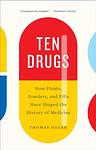
1. Ten Drugs
How Plants, Powders, and Pills Have Shaped the History of Medicine
This captivating exploration delves into the transformative power of pharmaceuticals throughout history, highlighting ten pivotal drugs that have significantly impacted human health and society. From the discovery of penicillin to the development of statins, the narrative weaves together scientific breakthroughs, serendipitous discoveries, and the socio-economic forces that shaped their evolution. The book provides a compelling look at how these drugs have not only saved countless lives but also influenced cultural and ethical debates, offering a nuanced perspective on the complex relationship between medicine, innovation, and humanity.
-
2. The Alchemy Of Air
A Jewish Genius, a Doomed Tycoon, and the Scientific Discovery That Fed the World but Fueled the Rise of Hitler

This captivating narrative delves into the groundbreaking scientific discovery that revolutionized agriculture and industry in the early 20th century. It chronicles the journey of two brilliant chemists who unlocked the secrets of synthesizing ammonia from atmospheric nitrogen, a process that not only averted a global food crisis but also laid the foundation for modern fertilizers. The story intertwines elements of scientific innovation, historical context, and the profound impact of this invention on humanity, highlighting the delicate balance between technological advancement and environmental sustainability.
Purchase from Bookshop.org -
3. The Demon Under The Microscope
From Battlefield Hospitals to Nazi Labs, One Doctor's Heroic Search for the World's First Miracle Drug
A brisk history of the first breakthrough antibacterial drugs, it traces how researchers transformed an aniline dye into sulfa medicines that rapidly reduced deaths from infections and revolutionized clinical care. Following scientists, physicians, and patients through lab battles, corporate rivalries, and political pressures of the interwar years, it highlights dramatic successes alongside tragedies like toxic formulation disasters. The narrative shows how these discoveries prefigured penicillin, birthed modern pharmaceutical research practices, reshaped surgery and childbirth outcomes, and sparked a public-health revolution that changed the trajectory of medicine.
Purchase from Bookshop.org