Richard W. Wrangham
Richard W. Wrangham is a British primatologist and anthropologist known for his research on the behavior of chimpanzees and the role of cooking in human evolution. He is a professor at Harvard University and has authored several influential books, including 'Demonic Males' and 'Catching Fire: How Cooking Made Us Human.'
Books
This list of books are ONLY the books that have been ranked on the lists that are aggregated on this site. This is not a comprehensive list of all books by this author.
-
1. Catching Fire
How Cooking Made Us Human
This thought-provoking work explores the transformative role that cooking has played in human evolution. It argues that the advent of cooking was a pivotal development that allowed early humans to consume a wider variety of foods, leading to significant physiological and social changes. By making food easier to digest, cooking provided more energy, which in turn supported the growth of larger brains and the development of complex societies. The book delves into the implications of this theory, examining how the control of fire and the ability to cook have shaped human biology and culture throughout history.
-
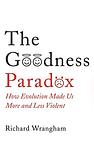
2. The Goodness Paradox
The Strange Relationship Between Virtue and Violence in Human Evolution
This thought-provoking exploration delves into the dual nature of human aggression, examining why humans can exhibit both extreme violence and remarkable peacefulness. It proposes that our evolutionary history has shaped us to be both the most cooperative and the most lethal of species. By analyzing the role of self-domestication, the book argues that over time, humans have evolved to suppress reactive aggression while maintaining the capacity for proactive aggression, leading to the complex social structures and moral frameworks we see today. The narrative weaves together insights from anthropology, biology, and psychology to offer a compelling explanation of how our capacity for goodness and brutality coexist.
-
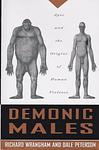
3. Demonic Males
Apes and the Origins of Human Violence
This compelling exploration delves into the evolutionary roots of male aggression, drawing parallels between human and primate behavior. It examines the biological and social factors that contribute to violence, particularly focusing on the aggressive tendencies observed in male chimpanzees and their implications for understanding human conflict. By analyzing the behaviors of our closest animal relatives, the book offers insights into the nature of male dominance, territoriality, and the potential for peace, challenging readers to reconsider the inherent aspects of aggression in human society.