Jim Loehr
Jim Loehr is a well-known performance psychologist and author, recognized for his work on the connection between mental and physical performance. He has co-authored several books on the subject and is a co-founder of the Human Performance Institute.
Books
This list of books are ONLY the books that have been ranked on the lists that are aggregated on this site. This is not a comprehensive list of all books by this author.
-
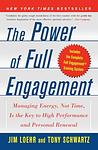
1. The Power Of Full Engagement
Managing Energy, Not Time, Is the Key to High Performance and Personal Renewal
In this insightful guide, readers are introduced to the concept of managing energy rather than time to achieve peak performance and personal fulfillment. The book emphasizes the importance of balancing physical, emotional, mental, and spiritual energies to enhance productivity and well-being. Through real-life examples and practical strategies, it encourages individuals to establish rituals that align with their core values, enabling them to navigate the demands of modern life with resilience and purpose. By focusing on energy management, individuals can unlock their full potential and lead more meaningful lives.
-
2. The Only Way To Win
How Building Character Drives Higher Achievement and Greater Fulfillment in Business and Life

A concise guide to shifting from chasing external achievements to cultivating inner character as the foundation for lasting success and fulfillment. It encourages defining a personal, values-based scoreboard, aligning daily rituals with purpose, and strengthening qualities like integrity, self-discipline, and compassion. By focusing on who you become rather than what you win, it offers practical tools for sustainable performance, resilience, and well-being.
Purchase from Bookshop.org -
3. Stress For Success
The Revolutionary Formula for Turning Pressure into Power
A practical guide arguing that stress, properly understood and managed, can be a catalyst for growth and peak performance; it shows how to distinguish productive from destructive stress, reframe pressure as opportunity, and use mental and physical routines—such as goal-setting, visualization, controlled exposure, and recovery—to harness physiological arousal, build resilience, and convert pressure into sustained motivation and achievement.