Michael Shermer
Michael Shermer is an American science writer, historian of science, and founder of The Skeptics Society. He is known for his work in promoting scientific skepticism and critical thinking.
Books
This list of books are ONLY the books that have been ranked on the lists that are aggregated on this site. This is not a comprehensive list of all books by this author.
-
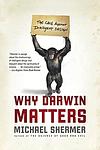
1. Why Darwin Matters
The Case Against Intelligent Design
In this insightful exploration, the author delves into the ongoing debate between evolution and creationism, emphasizing the importance of understanding and accepting Darwinian theory as a cornerstone of modern science. The book argues that evolution is not only a well-supported scientific theory but also a crucial framework for understanding the natural world and our place within it. By addressing common misconceptions and countering arguments from intelligent design proponents, the author advocates for a rational and evidence-based approach to science education, highlighting the broader implications of rejecting evolutionary theory on societal progress and scientific literacy.
-
2. The Believing Brain
From Ghosts and Gods to Politics and Conspiracies—How We Construct Beliefs and Reinforce Them as Truths
This book explores the fascinating ways in which humans form beliefs and the psychological mechanisms that underpin them. It delves into the cognitive processes that lead individuals to hold certain beliefs, regardless of their basis in reality, and examines how these beliefs are reinforced over time. Through a blend of neuroscience, psychology, and personal anecdotes, the narrative illustrates how our brains are wired to find patterns and assign meaning, often leading to the acceptance of ideas without empirical evidence. It also discusses the role of culture, society, and personal experiences in shaping and solidifying these beliefs, offering insights into why people cling to certain convictions even in the face of contradictory information.
-
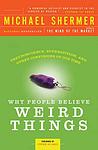
3. Why People Believe Weird Things
Pseudoscience, Superstition, and Other Confusions of Our Time
This insightful exploration delves into the psychological and sociocultural factors that lead individuals to embrace irrational beliefs and pseudoscientific ideas. Through a series of engaging anecdotes and case studies, it examines the allure of the paranormal, conspiracy theories, and other unconventional beliefs, highlighting the role of cognitive biases, emotional needs, and social influences in shaping human perception. The narrative encourages critical thinking and skepticism, offering readers tools to discern fact from fiction in a world saturated with misinformation.
Purchase from Bookshop.org -
4. Denying History
Who Says the Holocaust Never Happened and Why Do They Say It?

This book delves into the controversial world of Holocaust denial, exploring the motivations and methods of those who refute the historical reality of the Holocaust. It provides a comprehensive examination of the evidence supporting the Holocaust's occurrence and addresses the arguments posed by deniers. Through a critical analysis of historical documentation, testimonies, and the psychological underpinnings of denial, the book aims to reinforce the importance of historical accuracy and the dangers of distorting historical truths for ideological purposes.
-
5. Heavens On Earth
The Scientific Search for the Afterlife, Immortality, and Utopia
In this thought-provoking exploration, the author delves into humanity's enduring quest for immortality and the afterlife, examining how various cultures and religions have conceptualized life beyond death. Through a blend of scientific inquiry, historical analysis, and philosophical reflection, the narrative challenges readers to reconsider the nature of existence and the possibility of eternal life. By scrutinizing the promises of religion, the potential of scientific advancements, and the allure of technological immortality, the book invites a deeper understanding of what it means to live a meaningful life in the face of mortality.
Purchase from Bookshop.org -
6. The Moral Arc
How Science and Reason Lead Humanity Toward Truth, Justice, and Freedom
In this compelling exploration of human progress, the author argues that the arc of history bends towards justice, driven by the forces of reason, science, and humanism. Through a blend of historical analysis and philosophical inquiry, the narrative illustrates how these elements have contributed to moral advancements over time, leading to a more just and equitable society. The book delves into various domains, including politics, religion, and culture, to demonstrate how rational thinking and scientific understanding have played pivotal roles in reducing violence and enhancing human rights, ultimately fostering a more compassionate world.
-
7. Science Friction
Where the Known Meets the Unknown
This insightful collection of essays delves into the fascinating intersection of science and skepticism, exploring how human beliefs and biases shape our understanding of the world. Through a series of thought-provoking narratives, the author challenges readers to critically examine the evidence behind popular myths, pseudoscience, and paranormal claims. By blending scientific inquiry with engaging storytelling, the book encourages a deeper appreciation for the scientific method and the importance of maintaining a healthy dose of skepticism in an age of information overload.
Purchase from Bookshop.org -
8. The Science Of Good And Evil
Why People Cheat, Gossip, Care, Share, and Follow the Golden Rule
This thought-provoking book delves into the origins and nature of morality, exploring how evolutionary biology, psychology, and cultural influences shape our understanding of good and evil. It examines the roots of moral behavior, the development of ethical systems, and the role of religion and secularism in moral discourse. Through a blend of scientific inquiry and philosophical reflection, the book seeks to unravel the complexities of human morality, offering insights into why we make the ethical choices we do and how we can foster a more compassionate and just society.
Purchase from Bookshop.org -
9. How We Believe
Science, Skepticism, and the Search for God
Exploring the intersection of science and religion, this book delves into the psychological and sociocultural reasons behind why humans hold religious beliefs. It examines the evolutionary roots of faith, the role of belief in providing meaning and comfort, and the ways in which belief systems have shaped human history and society. Through a blend of scientific inquiry and philosophical reflection, the book seeks to understand the enduring nature of belief and its impact on human behavior and thought.
Purchase from Bookshop.org -
10. Conspiracies & Conspiracy Theories
What We Should and Shouldn't Believe—and Why
This insightful exploration delves into the fascinating world of conspiracies and the psychology behind conspiracy theories, examining why they captivate the human mind. It provides a historical context, tracing the evolution of conspiratorial thinking from ancient times to the digital age, while dissecting the cognitive biases and social dynamics that fuel these beliefs. The narrative offers a balanced perspective, distinguishing between genuine conspiracies and unfounded theories, and emphasizes the importance of critical thinking and skepticism in navigating the complex landscape of modern information.
Purchase from Bookshop.org