Élisabeth Badinter
Élisabeth Badinter is a prominent French philosopher, author, and feminist known for her works on women's rights and the history of feminism. She has written extensively on the nature of motherhood, gender roles, and the relationship between the sexes. Her influential books include 'The Conflict: How Modern Motherhood Undermines the Status of Women' and 'The Myth of Motherhood.'
Books
This list of books are ONLY the books that have been ranked on the lists that are aggregated on this site. This is not a comprehensive list of all books by this author.
-
1. Xy, De L'identité Masculine
De l'identité masculine
In this thought-provoking exploration, the author delves into the complexities of male identity, challenging traditional notions of masculinity. The book examines how societal expectations and cultural norms shape the male experience, often leading to internal conflicts and a crisis of identity. Through a historical and sociological lens, the narrative highlights the evolution of male roles and the pressures men face in conforming to or rebelling against these roles. By advocating for a more nuanced understanding of masculinity, the work encourages a redefinition of what it means to be a man in contemporary society.
-
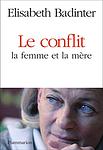
2. Le Conflit
La Femme et la Mère
This thought-provoking work delves into the complex dynamics of motherhood in contemporary society, challenging the idealized notion of maternal instinct and the pressures placed on women to conform to traditional roles. It critically examines the resurgence of natural parenting trends, such as breastfeeding and attachment parenting, and argues that these expectations can undermine women's autonomy and equality. Through a blend of historical analysis and cultural critique, the book encourages a reevaluation of how motherhood is perceived and the societal implications of these perceptions on women's rights and freedoms.
-
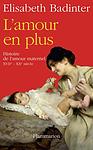
3. L'amour En Plus
Histoire de l'amour maternel (XVIIe-XXe siècle)
This thought-provoking work challenges the conventional belief that maternal love is an innate and universal instinct. By delving into historical, sociological, and psychological perspectives, the book argues that the concept of maternal affection has evolved over time, influenced by cultural, economic, and social factors. It suggests that the idealization of motherhood as a natural and selfless bond is a relatively modern construct, shaped by societal expectations and norms. Through a critical examination of historical records and philosophical discourse, the book invites readers to reconsider the complexities and variabilities of maternal love across different eras and societies.