Alexander R. Luria
Alexander R. Luria was a prominent Soviet neuropsychologist and developmental psychologist, known for his pioneering work in the fields of cognitive psychology and neuropsychology. He made significant contributions to the understanding of brain function and its relation to behavior, particularly through his studies on aphasia and the development of the Luria-Nebraska Neuropsychological Battery.
Books
This list of books are ONLY the books that have been ranked on the lists that are aggregated on this site. This is not a comprehensive list of all books by this author.
-
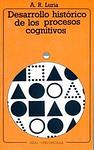
1. Cognitive Development
This insightful work delves into the intricate processes of cognitive development, exploring how individuals acquire, process, and utilize knowledge throughout their lives. It examines the interplay between biological factors and environmental influences, highlighting the dynamic nature of cognitive growth. Through a series of empirical studies and theoretical analyses, the book offers a comprehensive understanding of the stages of cognitive development, emphasizing the role of language, culture, and social interaction in shaping cognitive abilities. It provides a nuanced perspective on the adaptability and resilience of the human mind, offering valuable insights for educators, psychologists, and anyone interested in the complexities of human cognition.
-
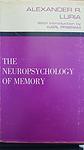
2. The Neuropsychology Of Memory
This insightful work delves into the intricate workings of human memory, exploring how various brain functions contribute to the processes of remembering and forgetting. Through a series of case studies and detailed analyses, it examines the relationship between neurological structures and cognitive functions, shedding light on how memory is affected by brain injuries and disorders. The book provides a comprehensive overview of the mechanisms underlying memory, offering a blend of theoretical perspectives and practical observations that underscore the complexity and adaptability of the human mind.
-
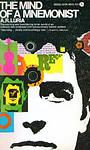
3. The Mind Of A Mnemonist
A Little Book about a Vast Memory
This fascinating exploration delves into the extraordinary life of a man with an exceptional memory, known as "S," whose mind defies conventional understanding. Through a series of detailed case studies, the narrative unveils the intricacies of S's mnemonic abilities, which allow him to recall vast amounts of information with remarkable precision. The book examines the psychological and neurological underpinnings of his memory, offering insights into the potential and limitations of human cognition. It also highlights the challenges S faces in everyday life due to his unique condition, providing a profound reflection on the nature of memory and perception.
-
4. The Working Brain
An Introduction to Neuropsychology

A classic exploration of neuropsychology that presents a functional-systems view of the brain, proposing three interdependent units for arousal, information processing, and executive regulation. Using rich clinical case studies, it shows how complex mental functions arise from distributed networks rather than isolated centers, and analyzes syndromes such as aphasia, agnosia, and apraxia to map brain–behavior relationships. Emphasizing plasticity, compensation, and rigorous syndromic analysis, it offers a framework for understanding and diagnosing disorders of perception, memory, language, and action.
Purchase from Bookshop.org -
5. Der Mann, Dessen Welt In Scherben Ging
The History of a Brain Wound
A clinical account of a soldier who suffered a severe wartime brain wound that obliterated his autobiographical memory, disrupted language and conceptual thinking, and left perception and action fragmented; the clinician combines careful neuropsychological testing with the patient’s poignant diary fragments to show how localized brain damage can dismantle personality, memory continuity, and the ability to form meaning, while also tracing limited pathways of rehabilitation and the implications for understanding higher mental functions.