Michel Onfray
Michel Onfray is a contemporary French philosopher known for his works on hedonism, atheism, and libertarian socialism. He has written extensively on a wide range of subjects, including philosophy, politics, and culture, and is recognized for his critical stance on religion and traditional philosophical thought.
Books
This list of books are ONLY the books that have been ranked on the lists that are aggregated on this site. This is not a comprehensive list of all books by this author.
-
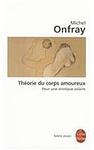
1. Théorie Du Corps Amoureux
Pour une érotique solaire
This philosophical exploration delves into the intricate relationship between love, desire, and the human body, challenging traditional notions of romance and sexuality. It offers a fresh perspective on how physicality and sensuality play pivotal roles in shaping human connections and emotional experiences. Through a blend of historical references, philosophical discourse, and personal insights, the narrative encourages readers to embrace a more liberated and authentic understanding of love, free from societal constraints and moral dogmas.
-
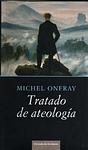
2. Tratado De Ateología
Física de la Metafísica
This provocative work challenges the foundations of religious belief, arguing that theology is a human construct that has historically been used to manipulate and control societies. It critiques the moral and philosophical underpinnings of major world religions, advocating for a secular approach to ethics and knowledge. The book encourages readers to embrace a rational and scientific worldview, free from the constraints of dogma and superstition, and to seek meaning and purpose through humanistic and empirical means.
-
3. Freud
L'affabulation freudienne

A polemical dismantling of the psychoanalytic legend, this book argues that the discipline rests on mythmaking, suggestive techniques, and manipulated case histories rather than scientific evidence. Drawing on correspondence and archival sources, it portrays the movement’s founder as authoritarian and ethically compromised, with theories shaped by personal obsessions and cultural biases. It concludes by urging a turn toward materialist, empirically testable approaches to the mind in place of a quasi-religious therapeutic doctrine.