Wiesław Myśliwski
Wiesław Myśliwski is a renowned Polish author known for his novels that often explore themes of memory, history, and the passage of time. His works are celebrated for their depth and narrative style, and he has received numerous literary awards.
Books
This list of books are ONLY the books that have been ranked on the lists that are aggregated on this site. This is not a comprehensive list of all books by this author.
-
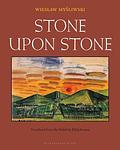
1. Stone Upon Stone
Set in post-war Poland, this poignant narrative follows the life of Szymek Pietruszka, a farmer who reflects on his past while building a family tomb. Through his vivid recollections, the story delves into themes of memory, identity, and the passage of time, painting a rich tapestry of rural life and the struggles of a community grappling with change. The protagonist's musings reveal a deep connection to the land and a profound understanding of human resilience, offering a meditation on the enduring nature of tradition and the inevitability of progress.
The 9072nd Greatest Book of All TimePurchase from Bookshop.org or Amazon -
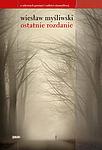
2. Ostatnie Rozdanie
In this introspective novel, the protagonist embarks on a reflective journey through the memories of his life, meticulously piecing together fragments of past experiences, relationships, and encounters. As he sifts through letters, photographs, and personal artifacts, he grapples with the passage of time and the elusive nature of identity. The narrative unfolds with a contemplative tone, exploring themes of love, loss, and the search for meaning in the seemingly mundane moments that define a lifetime. Through this poignant exploration, the story delves into the universal quest for understanding one's place in the world and the enduring impact of human connections.
-
3. Traktat O łuskaniu Fasoli

Set in a rural Polish village, the narrative unfolds through a series of reflective monologues by an elderly man who recounts his life story to an unseen visitor. As he shells beans, he delves into memories of his childhood, the impact of World War II, and the profound changes in post-war Poland. Through his introspective musings, the novel explores themes of memory, identity, and the passage of time, painting a vivid portrait of a life marked by both personal and historical upheavals. The protagonist's contemplative storytelling invites readers to ponder the nature of existence and the interconnectedness of individual and collective histories.