Joel Mokyr
Joel Mokyr is an economic historian known for his work on the history of technology and the Industrial Revolution. He is a professor at Northwestern University and has written extensively on the economic history of Europe.
Books
This list of books are ONLY the books that have been ranked on the lists that are aggregated on this site. This is not a comprehensive list of all books by this author.
-
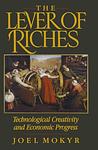
1. The Lever Of Riches
Technological Creativity and Economic Progress
This insightful work delves into the intricate relationship between technological innovation and economic growth throughout history. It explores how different societies have harnessed technological advancements to drive economic prosperity, while also examining the factors that have hindered or accelerated this process. By analyzing various historical periods and regions, the book offers a comprehensive understanding of the dynamics of technological change and its profound impact on the wealth of nations. Through a blend of economic theory and historical analysis, it provides a nuanced perspective on the forces that shape economic development and the pivotal role of innovation in shaping the modern world.
-
2. The Enlightened Economy
An Economic History of Britain 1700-1850

This insightful work delves into the transformative period of the British Industrial Revolution, exploring how the interplay of economic, intellectual, and cultural factors fueled unprecedented growth and innovation. It examines the pivotal role of Enlightenment ideas in shaping economic practices and policies, highlighting how the spread of knowledge, scientific advancements, and a spirit of inquiry and experimentation contributed to the emergence of a modern economy. Through a detailed analysis, it underscores the significance of intellectual capital and the exchange of ideas in driving economic progress and societal change during this critical era.
Purchase from Bookshop.org -
3. A Culture Of Growth
The Origins of the Modern Economy
Argues that Europe’s sustained economic growth arose from a cultural transformation that elevated open inquiry, useful knowledge, and a belief in progress. Through the Republic of Letters, a competitive market for ideas, and political fragmentation that sheltered heterodox thinkers, persuasion entrepreneurs diffused norms of empiricism and experimentation. These shifts shaped institutions and incentives, laying the groundwork for the Scientific and Industrial Revolutions in ways not explained by geography or resources alone.
Purchase from Bookshop.org -
4. The Gifts Of Athena
Historical Origins of the Knowledge Economy
It argues that modern economic growth emerged from the creation and diffusion of “useful knowledge”—the fusion of propositional insights about nature with prescriptive techniques—rather than from capital accumulation alone. The narrative highlights an Industrial Enlightenment that lowered access costs to information and built institutions—scientific societies, publications, patents, and education—that linked science to technology and created self-reinforcing feedback between discovery and invention. It explains Europe’s lead as a product of these cultural and institutional changes and analyzes the persistent gap between the high social returns to knowledge and the weaker private incentives to produce and share it.
Purchase from Bookshop.org