James B. Donovan
James Britt Donovan was an American lawyer and United States Navy officer. He is best known for negotiating the exchange of captured American U-2 pilot Francis Gary Powers for Soviet spy Rudolf Abel, as well as his involvement in the Nuremberg Trials and the Cuban Missile Crisis negotiations.
Books
This list of books are ONLY the books that have been ranked on the lists that are aggregated on this site. This is not a comprehensive list of all books by this author.
-
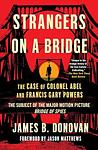
1. Strangers On A Bridge
The Case of Colonel Abel
Set against the backdrop of the Cold War, this gripping narrative delves into the tense and intricate world of espionage and diplomacy. The story follows an American lawyer who finds himself at the heart of a high-stakes negotiation involving the exchange of captured spies between the United States and the Soviet Union. Through a blend of legal acumen and moral conviction, he navigates the complex political landscape, striving to achieve a resolution that balances justice with international relations. The tale offers a compelling insight into the human elements behind global conflicts and the delicate art of negotiation.
-
2. Apollo 11
The Inside Story of NASA's Historic Moon Landing

Set against the backdrop of the Cold War, this riveting narrative delves into the monumental journey of the first successful manned mission to the moon. It captures the intricate details of the preparation, challenges, and triumphs faced by NASA and its astronauts, Neil Armstrong, Buzz Aldrin, and Michael Collins. The story unfolds with a blend of technical precision and human emotion, highlighting the courage, innovation, and teamwork that culminated in one of humanity's greatest achievements. Through vivid storytelling, it offers a comprehensive look at the mission that not only marked a significant milestone in space exploration but also united people around the world in awe and wonder.
Purchase from Bookshop.org -
3. A Terrible Glory
Custer and the Little Bighorn — The Last Great Battle of the American West
Combining meticulous research with vivid narrative, the book reconstructs the 1876 campaign that culminated in the Battle of the Little Bighorn, probing the character and decisions of Lieutenant Colonel George Armstrong Custer, the strengths and strategies of the Sioux and Cheyenne warriors, and the political and cultural forces that produced the catastrophe. It traces the buildup from Washington's Indian policy and army logistics through battlefield movements, highlighting miscommunications, overconfidence, and tactical misjudgments on the American side alongside the cohesion and fighting skill of the Native coalition. The account places the clash in its broader context—exploring public reaction, the creation of national myths, and the lingering controversies over responsibility—offering a balanced reassessment of heroism, hubris, and consequence in one of the most iconic episodes of the American West.
Purchase from Bookshop.org