Kyle Harper
Kyle Harper is a historian known for his work on the Roman Empire and environmental history. He has written several books exploring the intersection of climate, disease, and society in ancient times.
Books
This list of books are ONLY the books that have been ranked on the lists that are aggregated on this site. This is not a comprehensive list of all books by this author.
-
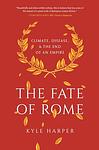
1. The Fate Of Rome
Climate, Disease, and the End of an Empire
This historical analysis delves into the complex interplay between environmental factors and the decline of one of history's greatest empires. It explores how climate change, pandemics, and other natural phenomena significantly influenced the trajectory of the Roman Empire, contributing to its eventual fall. By examining scientific data alongside historical records, the narrative offers a fresh perspective on how nature's forces shaped human history, challenging traditional views that solely attribute Rome's decline to political and military failures.
The 11844th Greatest Book of All TimePurchase from Bookshop.org or Amazon -
2. From Shame To Sin
The Christian Transformation of Sexual Morality in Late Antiquity

This book explores the transformative shift in sexual morality from the Roman Empire to early Christianity, illustrating how the Christianization of the Roman world redefined sexual ethics. It delves into the cultural and religious dynamics that led to the stigmatization of previously accepted practices, such as prostitution and same-sex relationships, and the elevation of chastity and monogamy as moral ideals. Through a detailed examination of historical texts and societal changes, the narrative reveals how these evolving attitudes towards sexuality played a crucial role in shaping Western civilization's moral landscape.
Purchase from Bookshop.org -
3. Plagues Upon The Earth
Disease and the Course of Human History
A sweeping, scientifically grounded narrative that traces how infectious diseases have shaped human evolution, migration, agriculture, urban life, empire-building and global exchange, using paleopathology, ancient DNA and epidemiology to show how microbes—from plague and smallpox to influenza and cholera—interacted with environmental change, trade and human behavior to drive demographic collapse, social transformation and the contours of modern public health.
Purchase from Bookshop.org