Philip Jenkins
Philip Jenkins is a prominent scholar known for his work on the history of Christianity, religion, and society. He has authored numerous books and articles exploring religious trends and their impact on global cultures.
Books
This list of books are ONLY the books that have been ranked on the lists that are aggregated on this site. This is not a comprehensive list of all books by this author.
-
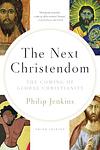
1. The Next Christendom
The Coming of Global Christianity
This insightful work explores the dramatic shift in the global landscape of Christianity, highlighting the rapid growth of the faith in the Global South, particularly in Africa, Asia, and Latin America. It examines the implications of this demographic transformation for the future of Christianity, suggesting that the center of gravity for the religion is moving away from the Western world. The analysis delves into the cultural, social, and political factors driving this change, offering a thought-provoking perspective on how these emerging Christian communities might shape the global religious and geopolitical landscape in the coming decades.
The 11613th Greatest Book of All TimePurchase from Amazon -
2. The Lost History Of Christianity
The Thousand-Year Golden Age of the Church in the Middle East, Africa, and Asia—and How It Died

This insightful work delves into the often-overlooked history of Christianity's spread and influence across Asia, Africa, and the Middle East from its early days until the 14th century. It explores the rise and fall of Christian communities in regions that are now predominantly Muslim, shedding light on the cultural, political, and religious dynamics that led to their decline. Through a detailed examination of historical records and archaeological findings, the narrative challenges the conventional Eurocentric view of Christian history, revealing a rich tapestry of diverse Christian traditions that once flourished beyond the Western world.
Purchase from Bookshop.org -
3. Jesus Wars
How Four Patriarchs, Three Queens, and Two Emperors Decided What Christians Would Believe for Centuries
A concise, narrative examination of the turbulent fourth- and fifth-century battles over Christology, showing how theological disputes about the nature of Jesus became inseparable from political maneuvering, imperial power, and personal rivalries; it traces the Arian controversy, the roles of rival bishops and emperors, the formative councils and creeds, and the methods—persuasion, coercion, exile, and violence—used to suppress alternative Christianities, arguing that what became orthodox Christianity was as much a product of politics and human ambition as of pure theology.
Purchase from Bookshop.org -
Purchase from Bookshop.org