Vandana Shiva
Vandana Shiva is an Indian scholar, environmental activist, food sovereignty advocate, and author. She is known for her work in promoting biodiversity, organic farming, and the rights of farmers. Shiva has been a prominent figure in the global environmental movement and has written extensively on the impact of globalization and biotechnology on agriculture.
Books
This list of books are ONLY the books that have been ranked on the lists that are aggregated on this site. This is not a comprehensive list of all books by this author.
-
1. Staying Alive
Women, Ecology, and Development
This insightful work delves into the intricate relationship between women, ecology, and development, highlighting the often overlooked contributions of women in sustaining and nurturing the environment. It critiques the dominant development paradigms that prioritize economic growth over ecological balance, arguing for a more holistic approach that values the interconnectedness of life. Through a feminist lens, the book advocates for a shift towards sustainable practices that honor traditional knowledge and empower marginalized communities, emphasizing the need for a harmonious coexistence with nature.
The 8916th Greatest Book of All TimePurchase from Amazon -
2. Water Wars
Privatization, Pollution, and Profit
In this compelling exploration of global water politics, the author delves into the complex interplay between water scarcity, corporate control, and environmental sustainability. The narrative highlights how the commodification of water resources exacerbates inequalities, threatening the livelihoods of marginalized communities and ecosystems worldwide. Through a blend of case studies and critical analysis, the book advocates for a paradigm shift towards recognizing water as a common good, emphasizing the need for equitable distribution and sustainable management to ensure a just and secure future for all.
-
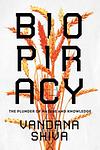
3. Biopiracy
The Plunder of Nature and Knowledge
This compelling work delves into the controversial practice of biopiracy, where corporations and governments exploit indigenous knowledge and biodiversity for profit, often without fair compensation or acknowledgment to the original custodians. It critiques the global intellectual property regime, highlighting how it facilitates the privatization of life forms and traditional wisdom, leading to the erosion of biodiversity and cultural heritage. The narrative calls for a reevaluation of these practices, advocating for the protection of indigenous rights and the promotion of biodiversity conservation as a means to ensure equitable and sustainable development.
-
4. Biodiversity
Social and Ecological Perspectives

This insightful work delves into the intricate web of life that constitutes our planet's biodiversity, emphasizing the critical role it plays in sustaining ecosystems and human societies. It explores the threats posed by industrial agriculture, genetic modification, and corporate monopolies, arguing for the preservation of diverse biological systems as a means to ensure ecological balance and food security. Through a blend of scientific analysis and advocacy, the book calls for a paradigm shift towards sustainable practices that honor and protect the rich tapestry of life on Earth.
-
5. Stolen Harvest
The Hijacking of the Global Food Supply
The book exposes how industrial agriculture, corporate control of seeds and patents, and economic liberalization have undermined traditional farming, biodiversity and rural livelihoods in India, arguing that the commodification and biopiracy of seeds, promotion of genetically engineered crops and global trade policies have deepened farmer dependency, ecological degradation and social injustice while calling for seed sovereignty, ecological farming and democratic control over food systems.
Purchase from Bookshop.org