Michael Albert
Books
This list of books are ONLY the books that have been ranked on the lists that are aggregated on this site. This is not a comprehensive list of all books by this author.
-
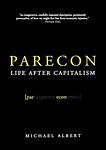
1. Parecon
Life After Capitalism
This book presents a visionary economic model known as participatory economics, which seeks to replace traditional capitalist structures with a more equitable and democratic system. It emphasizes the importance of balanced job complexes, where tasks are distributed to ensure fairness, and participatory planning, which involves collective decision-making processes to allocate resources and set production goals. The model aims to eliminate class hierarchies and empower individuals by fostering a cooperative environment that prioritizes social well-being and sustainability over profit maximization.
-
-
3. Stop The Killing Train
Radical Rhetoric or Radical Change?
In this thought-provoking exploration of modern society, the author delves into the pervasive issues of systemic injustice, economic inequality, and the relentless pursuit of profit that drive the global "killing train." Through a blend of personal anecdotes, historical analysis, and visionary ideas, the narrative challenges readers to rethink the structures that perpetuate violence and oppression. It advocates for a transformative shift towards a more equitable and compassionate world, urging individuals to take action and embrace alternative models of cooperation and sustainability.
-
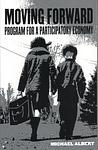
4. Moving Forward
Toward a Participatory Economy
In this thought-provoking exploration of societal structures, the author delves into the intricacies of participatory economics, advocating for a more equitable and democratic approach to organizing economies. The narrative challenges traditional capitalist frameworks, proposing a system where decision-making power is decentralized and shared among all members of society. Through a blend of theoretical insights and practical examples, the book offers a compelling vision for a future where economic justice and social empowerment are at the forefront, encouraging readers to rethink and actively engage in shaping a more inclusive world.
-
5. What Is To Be Undone
In this thought-provoking work, the author delves into the intricacies of societal transformation, exploring the pathways to achieving a more equitable and just world. The narrative challenges conventional paradigms, advocating for a participatory approach to economics and governance that empowers individuals and communities. Through a blend of theoretical insights and practical strategies, the book offers a roadmap for dismantling oppressive structures and fostering a society rooted in solidarity, cooperation, and mutual respect. It serves as both a critique of current systems and a hopeful vision for a future where collective action and shared values drive meaningful change.
-
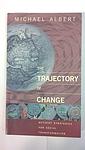
6. The Trajectory Of Change
Activist Strategies for Social Transformation
This insightful work delves into the dynamics of societal transformation, exploring the mechanisms and principles that drive change in social, economic, and political systems. It offers a comprehensive analysis of historical and contemporary movements, emphasizing the importance of participatory democracy and equitable distribution of resources. Through a critical examination of existing structures, the book advocates for a more just and sustainable future, urging readers to engage actively in shaping the trajectory of change towards a more inclusive and harmonious society.
-
7. Looking Forward

A spirited critique of capitalism and conventional reformism paired with a positive sketch of an alternative democratic economy, arguing that workplaces and communities should be reorganized around self-management, equity, and ecological sustainability. It lays out concrete institutional ideas—balanced job complexes, remuneration according to effort and sacrifice, and a participatory planning process to replace both markets and top-down planning—and shows how those arrangements can be linked to grassroots organizing, cultural shifts, and practical steps for building a more humane, egalitarian political economy.